Chinese giant EVE Energy secures an 8 GWh energy storage deal with Godawari New Energy, marking a strategic entry into South Asia and the Himalayas.
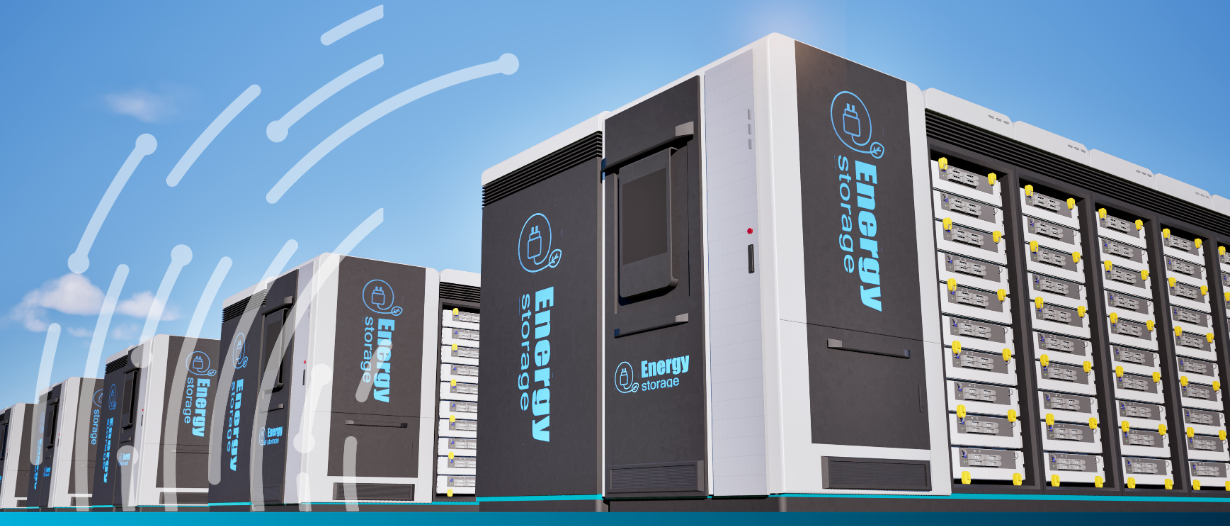
EVE Energy’s 8 GWh South Asia Gambit: A Geopolitical Battery Play in the Himalayas The global clean energy transition often pits the urgency of climate action against the gritty realities of supply chain security and geopolitical maneuvering. Yet, amidst the clamor for Western battery independence, a different narrative is quietly unfolding in the shadow of the Himalayas. Chinese battery giant EVE Energy has inked a monumental 8 GWh energy storage battery supply agreement with Godawari New Energy, a burgeoning energy player based in Nepal. This landmark deal signifies a decisive and strategic entry for EVE into the grid-scale energy storage market of South Asia, a region long considered nascent but now positioned for substantial transformation. EVE Energy, a major force known for its comprehensive battery portfolio spanning electric vehicles and utility-scale energy storage systems (ESS), has been aggressively expanding its international footprint amid an increasingly cutthroat domestic Chinese market. For Godawari New Energy, an emerging affiliate of the Nepalese Chaudhary Group conglomerate, this partnership represents a foundational step in its ambitious plan to deploy substantial renewable energy infrastructure across Nepal and potentially, the wider region. The 8 GWh capacity commitment is staggering, enough to power millions of homes for short durations, and immediately positions Godawari to become a dominant force in Nepal’s critical grid stabilization efforts. EVE will supply its cost-effective and robust Lithium Iron Phosphate (LFP) battery technology, a choice that underscores practicality over bleeding-edge, unproven innovations. While the headline numbers are undeniably impressive, seasoned industry observers are raising questions about the sheer logistical challenges and complex regulatory hurdles of deploying such massive infrastructure in a developing nation like Nepal. The deal's long-term financial viability and the specific terms of technology transfer or local manufacturing remain largely opaque, creating a sense of unease among those accustomed to more transparent arrangements. The global energy storage market is currently experiencing explosive growth, fundamentally driven by the imperative to integrate intermittent renewable energy sources like solar and wind into national grids. However, persistent supply chain vulnerabilities and escalating geopolitical tensions are increasingly shaping investment decisions and influencing where major battery manufacturers choose to plant their flags. China’s undeniable dominance across the battery value chain, particularly in LFP chemistry, makes these kinds of deals strategically important. It subtly counters broader Western efforts to de-risk and diversify critical mineral and battery supply chains away from Chinese influence. This deal represents a fascinating counter-narrative to those decoupling efforts. EVE Energy’s strategy here appears multifaceted. Venturing into South Asia offers a significant diversification from the hyper-competitive Chinese market, which, despite its scale, is seeing margins squeezed and growth rates decelerating for some players. New growth markets like Nepal represent untapped potential. For Godawari and its parent Chaudhary Group, the motivations are equally compelling. Nepal, heavily reliant on hydropower and energy imports, sees large-scale battery storage as a critical component of national energy independence and stability. The nation’s ambitious renewable energy targets simply cannot be met without robust storage solutions. The choice of LFP battery chemistry by EVE is highly pragmatic for grid-scale applications. LFP batteries offer superior safety, longer cycle life, and lower cost per kilowatt-hour compared to NMC (nickel-manganese-cobalt) alternatives, making them ideal for the fixed installations required for grid stabilization and peak shaving. That’s a smart play for cost-conscious emerging markets. From a geopolitical perspective, this deal cannot be divorced from China’s broader Belt and Road Initiative (BRI), even if not formally designated as a BRI project. Large infrastructure investments by Chinese companies in South Asian nations often carry an implicit strategic dimension, extending Beijing’s economic and political influence in a region sensitive to both India and the United States. South Asia presents an enormous, largely untapped market for energy storage. Grid instability is a pervasive issue, and many nations are pursuing aggressive renewable energy targets that necessitate robust backup. This deal could well serve as a template for EVE, and other Chinese manufacturers, to replicate similar agreements across the region. The financial architecture behind an 8 GWh deal in Nepal is unlikely to be straightforward. Such projects often involve a complex mix of commercial bank loans, development finance institutions, and potentially Chinese state-backed credit lines. The specific financing terms would offer critical insights into the real cost and risk allocation of the project. Logistics alone present a formidable challenge. Transporting 8 GWh worth of battery modules – weighing tens of thousands of tons – through India to landlocked Nepal, over difficult mountainous terrain, will require meticulous planning and significant infrastructure investment. This isn't just about manufacturing; it’s about moving a small city’s worth of energy capacity. Nepal’s regulatory environment, while supportive of foreign investment in energy, can be complex and bureaucratic. Navigating permits, land acquisition, and local content requirements will be critical to the project’s smooth execution. Any misstep here could significantly delay deployment and inflate costs. Competition in the global battery market is fierce, but South Asia has seen fewer large-scale commitments from non-Chinese players. Indian battery manufacturers are emerging, but few can match EVE’s scale and established cost efficiencies. Korean and Japanese players have been more cautious, potentially leaving the door open for Chinese dominance in this rapidly expanding segment. The environmental impact of such a massive battery deployment also warrants scrutiny. While essential for renewable energy integration, the full lifecycle assessment, from raw material extraction to end-of-life recycling, particularly in a region with nascent waste management infrastructure, remains a critical consideration for sustainability. This deal, if successfully executed, will profoundly impact Nepal's energy security, reducing its reliance on seasonal hydropower fluctuations and potentially volatile energy imports. It represents a significant step towards a more resilient and self-sufficient energy future for the Himalayan nation. Crucially, the extent of technology transfer and local expertise development will determine the long-term sustainability of the project. If Godawari New Energy and Nepal gain significant operational and maintenance knowledge, the partnership could foster genuine energy independence rather than just dependency on imported technology. This partnership, while incredibly ambitious, could well serve as a blueprint for rapid energy transition in other emerging economies globally. Its ultimate success, however, will hinge on deftly navigating a complex web of technical, financial, and geopolitical realities that extend far beyond the initial handshake. The world will be watching closely to see if 8 GWh in the Himalayas becomes a beacon of progress or a cautionary tale in the global energy storage race.
Frequently asked questions
What is the significance of EVE Energy's deal with Godawari New Energy?
The deal signifies EVE Energy's major strategic entry into the South Asian energy storage market with an 8 GWh agreement. It highlights the growing demand for clean energy solutions in the region and shifts in global battery supply chains.
How large is the energy storage deal between EVE Energy and Godawari New Energy?
The deal is for 8 GWh (gigawatt-hours) of energy storage batteries. This represents a substantial capacity for grid-scale or large-scale renewable energy integration projects.
Which companies are involved in this energy storage agreement?
The primary companies involved are EVE Energy, a Chinese battery giant, and Godawari New Energy. This partnership facilitates the deployment of advanced battery technology in South Asia.
What region is primarily impacted by this EVE Energy deal?
This deal primarily impacts the South Asia region, with specific mention of the Himalayas. It signals a significant development for renewable energy infrastructure in this geographical area.
Why is this deal considered a "geopolitical battery play"?
It's considered a geopolitical play because it involves a Chinese battery giant expanding into a strategically important region (South Asia) amidst global efforts for diversified supply chains and energy independence, as highlighted in the article preview.
What type of batteries are likely involved in this energy storage deal?
Given EVE Energy's expertise and the scale, it's highly probable that advanced lithium-ion batteries are involved. These batteries are standard for large-scale energy storage applications due to their efficiency and energy density.