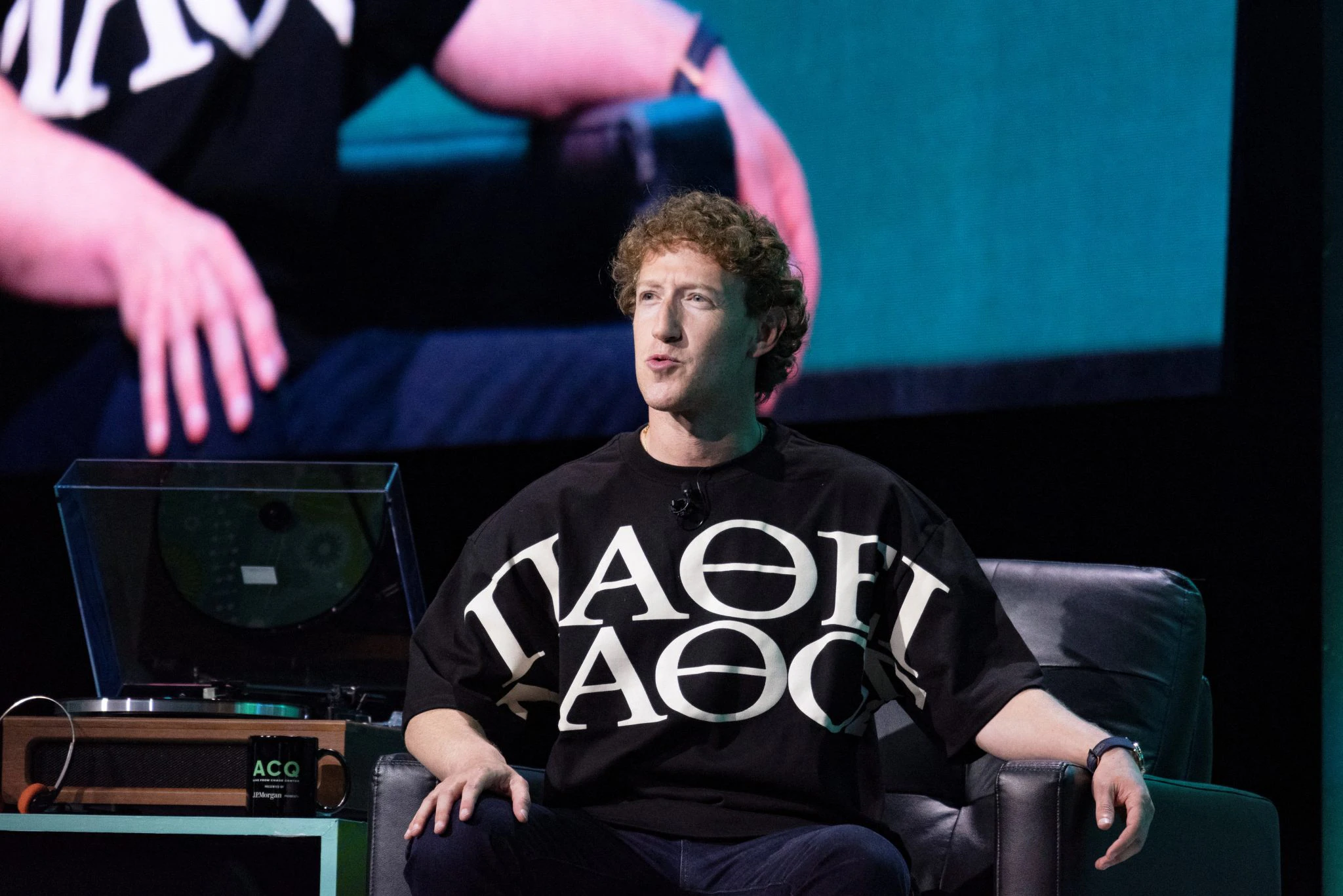
Mark Zuckerberg has spent the last five years trying to convince us that the future is a digital cartoon where nobody has legs. But on May 1, 2026, Meta’s strategic compass finally hit north. By acquiring Assured Robot Intelligence (ARI), a stealth-heavy startup out of San Diego, Meta isn't just buying a robotics team; it's buying an insurance policy against the hardware-first giants.
The deal, confirmed by Meta Superintelligence Labs, pulls co-founders Lerrel Pinto and Xiaolong Wang into the fold—researchers who specialize in the one thing that keeps Tesla’s Optimus and Amazon’s Digit awake at night: behavioral prediction in unstructured environments. Teaching a robot to lift a box in a sterile warehouse is solved. Teaching it to navigate a messy living room while a toddler sprints across its path is the trillion-dollar "boss level" of robotics. Meta just bought the cheat code.
The Intelligence Layer: Owning the "Android" of Robots
There’s a version of this story where Meta builds its own shiny metal humanoid to compete with Elon Musk. That version is probably wrong. Meta’s track record with hardware is a graveyard of high-end VR headsets that people use for three weeks and then hide in a drawer. The only exception? The Ray-Ban Meta smart glasses, which succeeded precisely because they were an AI-first accessory, not a standalone computing platform.
Meta’s true ambition is to become the "Android" of the humanoid era. They want to provide the intelligence layer, the sensor fusion, and the large world models that other manufacturers—the Samsungs and Xiaomis of the robotics world—will license because building a "brain" from scratch is too expensive.
The Capital Stakes: Meta's 2026 Spending Spree
Total CapEx: Meta has raised its 2026 budget to a staggering $145 billion, even as it trims 10% of its workforce (roughly 8,000 jobs) to "efficiency."
The Talent Tax: One founding member of a recent Meta-acquired lab reportedly received a six-year package worth $1.5 billion.
The Market Opportunity: Humanoid robots are no longer a niche curiosity; Morgan Stanley now projects the category could hit $5 trillion by 2050.
By acquiring ARI, Meta is betting that the software governing physical interaction is a platform problem that hasn't been solved. They’re moving the battle from the workshop to the server farm.
Regional Deep-Dive: The Global Talent War
The ARI acquisition is a direct shot across the bow of the burgeoning robotics hubs in Asia and Europe. While the US currently leads in frontier AI research, the Shenzhen-Singapore corridor is rapidly becoming the global manufacturing floor for humanoid "bodies." Startups like China’s Unitree are already targeting 20,000 shipments in 2026, drastically undercutting US hardware prices.
For Meta, being "global" means realizing that if they don't provide the OS, a regional player will. In the EU, where the AI Act is forcing companies to be transparent about "high-risk" robotic deployments, Meta’s "open-ish" Llama strategy for robotics could be a masterstroke. If they can provide a vetted, safe, and highly predictable intelligence layer that complies with Brussels, they effectively lock out less transparent competitors.
"Meta isn't trying to be the next Ford; they're trying to be the next Google. They want to give away the 'robot brain' via open-source or low-cost licensing to ensure that every sensor on every humanoid on earth is feeding data back into their ecosystem." — Dr. Ayanna Howard, Robotics Expert and AI Ethicist
The Founder's Lens: The Exit of the "Expert Team"
For operators, the ARI deal is a blueprint for the current M&A environment. Notice that Meta didn't buy a company with a massive factory or thousands of units in the field. They bought a research-heavy nucleus.
Lerrel Pinto and Xiaolong Wang are the quintessential "frontier founders." Their value isn't in their MRR (Monthly Recurring Revenue); it’s in their ability to model human intent. If you're a founder in this space, your path to a Meta-sized exit isn't through building a better motor—it’s through building a better way for that motor to understand why it’s moving.
Skeptic’s Corner: The "Reality Labs" Ghost
Let's be real for a second: Meta has a history of setting money on fire in pursuit of "future platforms." Reality Labs has bled billions with very little consumer adoption to show for it. Why should we believe the Robotics Studio will be any different? The risk is that Meta over-engineers the "behavioral brain" to the point where it's too heavy to run on the edge-computing chips actually used in mobile robots.
Key Takeaways for the 2026 Operator
Hardware is Commodity, Software is Moat: The "bodies" of robots are getting cheaper every day. The value is migrating to the "world model"—the AI that tells the robot what it's looking at.
The "Android" Model is the Play: If you aren't vertically integrated (like Tesla), you need to be a platform. Meta is banking on a future where hundreds of small manufacturers need a pre-built brain.
Behavioral Data is the New Gold: Meta is leveraging its 4 billion monthly users' interaction data to train these robots. No other robotics company has that social-graph-to-physical-world pipeline.
Vertical Integration is for the Elite: Unless you have the bankroll of Amazon or Tesla, don't try to build the whole stack. Pick a layer—sensors, batteries, or "brains"—and own it.
What to Watch Next
The Llama-Robot Release: Look for Meta to release an "Open Robot Intelligence" model based on Llama-4 by Q4 2026.
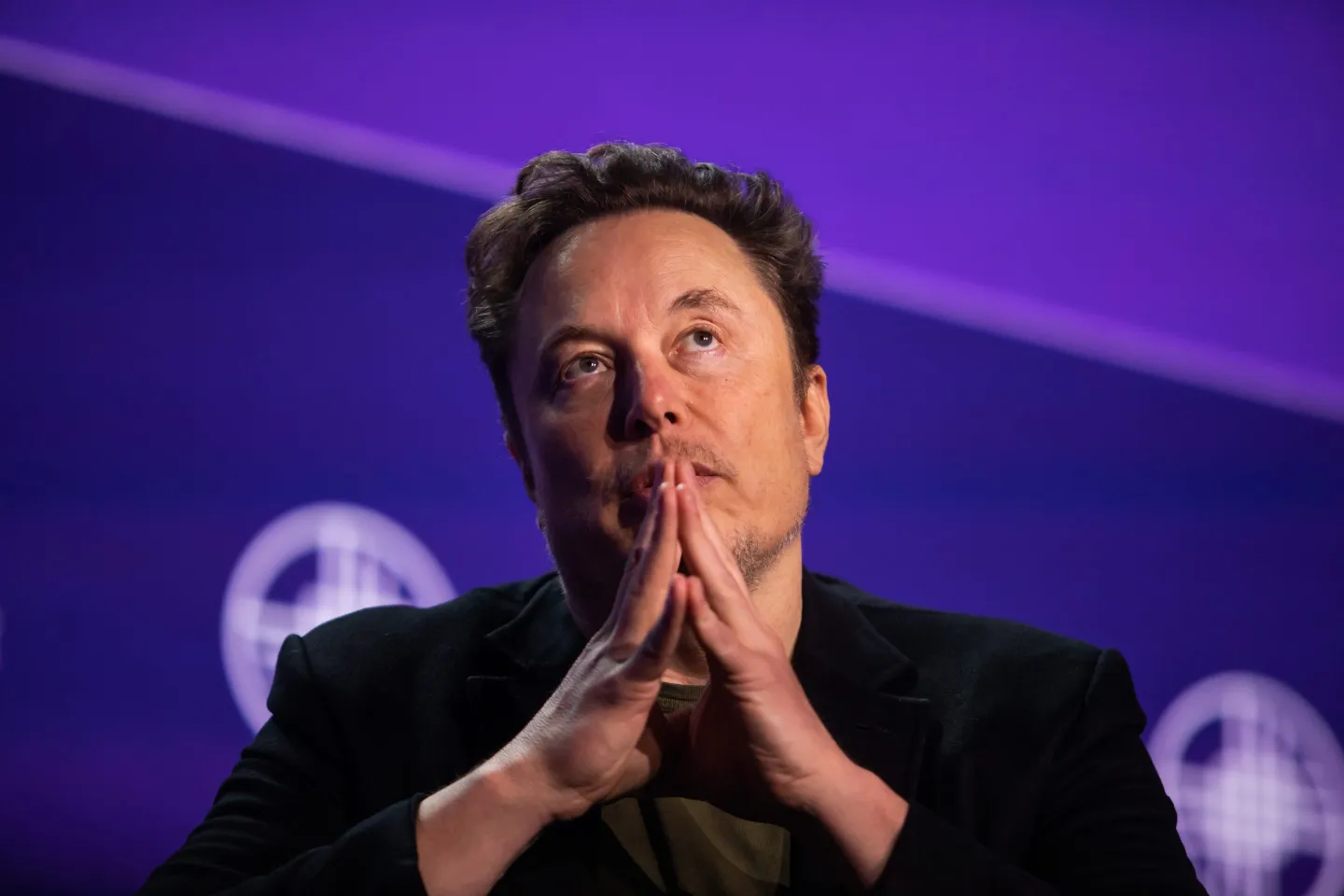
Tesla’s Response: Expect Musk to announce a licensing play for Optimus’s software stack to prevent Meta from becoming the default OS.
The "Neural Band" Pivot: Watch for Meta to repurpose its wrist-based gesture controls as a "remote pilot" system for humanoid robots.
Meta buys robotics because it has to. The screen is no longer enough. To capture the next generation of data, Meta needs its AI to have eyes and hands in the physical world. Whether it’s a helper in a warehouse or a companion in the home, the "social network" is about to get a lot more physical.