MENLO PARK — It’s May 1, 2026, and the "Year of Efficiency" has officially mutated into the Decade of the Machine.
During an internal town hall yesterday that felt less like a pep talk and more like a forensic audit, Meta CEO Mark Zuckerberg laid out the cold math governing the future of the social media giant. The headline is as sharp as a guillotine: Meta is cutting roughly 10% of its workforce—about 8,000 people—on May 20. But the why is what should keep every startup founder and enterprise operator awake at night.
Zuckerberg isn't cutting because the business is failing. In fact, revenue just surged 33% year-over-year to $56.3 billion. He’s cutting because he has a more expensive mouth to feed: an AI infrastructure bill projected to hit an eye-watering $125 billion to $145 billion this year alone.
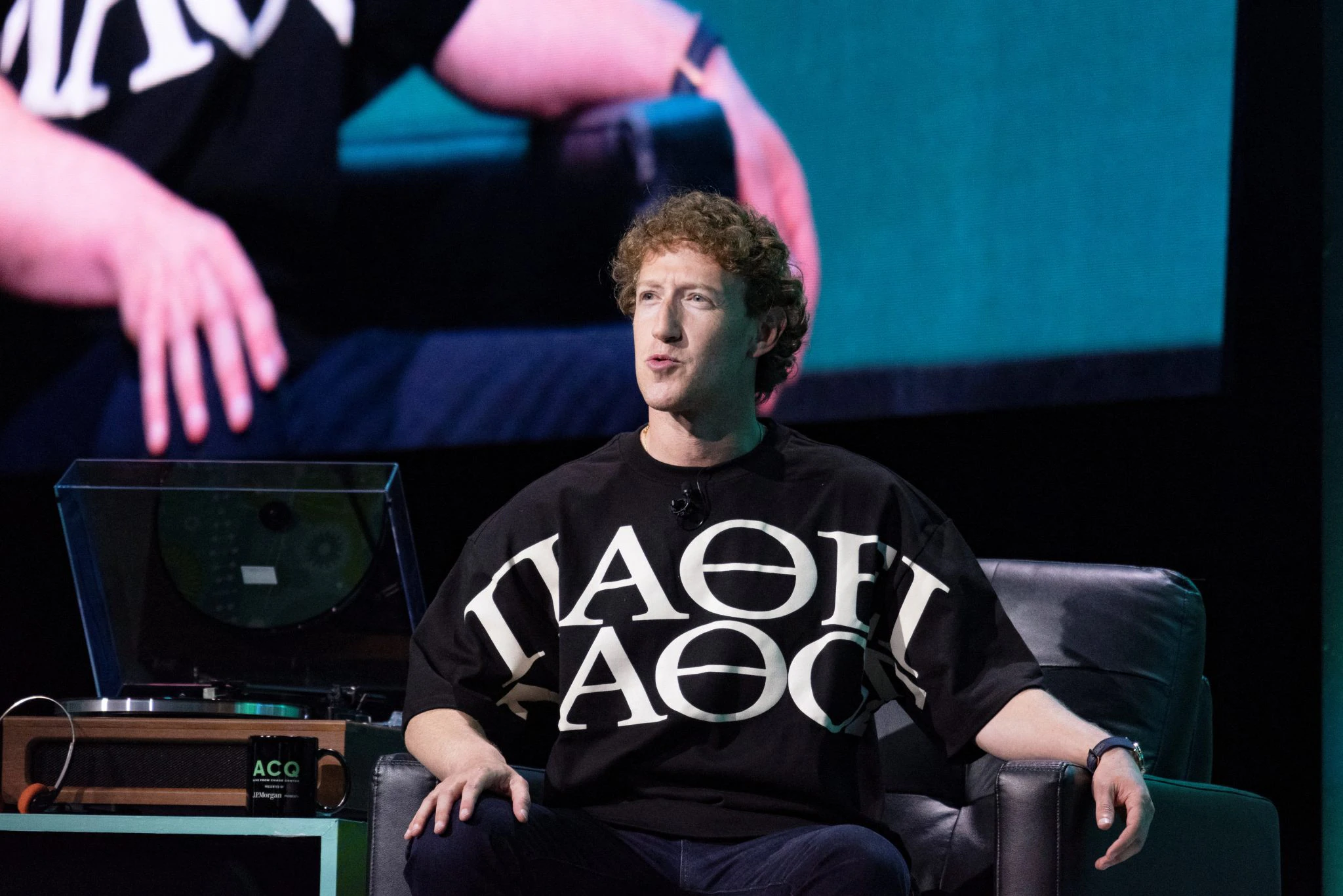
"We essentially have two major cost buckets: compute infrastructure and people-oriented things," Zuckerberg told his remaining staff, according to leaked remarks. "So that means we do need to take down the size of the company somewhat."
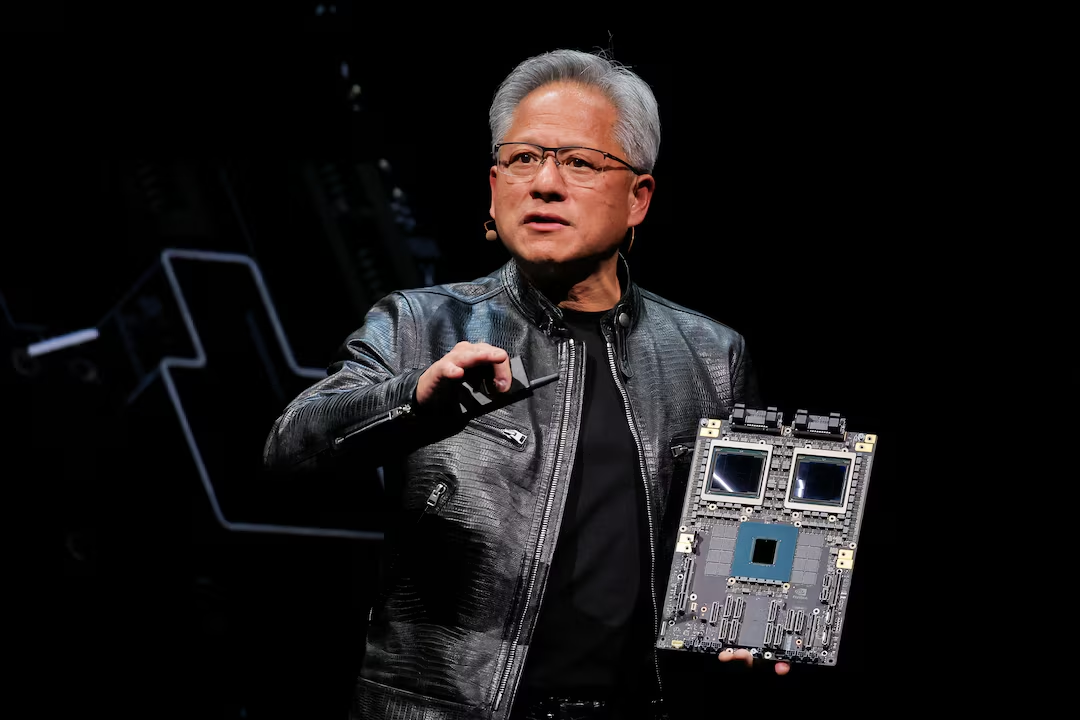
It is a zero-sum game played with human lives to satisfy the insatiable hunger of Nvidia clusters.
The $145 Billion Trade-Off
For the global startup ecosystem, the signal is deafening. If the most cash-flush company in history has to cannibalize its own workforce to afford the compute for the next generation of Large Language Models, what hope does a Series B startup in Berlin or a scale-up in Jakarta have of competing on raw infrastructure?
The fiscal pivot at Meta is staggering.In 2025, the company spent $72.2 billion on capital expenditures. By doubling that forecast for 2026, Zuckerberg has effectively admitted that the cost of entry for "General Artificial Intelligence" is a tax that must be paid in flesh.
Metric | 2025 Actuals | 2026 Forecast (May) |
AI Capex Spending | $72.2 Billion | $125B - $145B |
Global Workforce | ~78,000 | ~70,000 (Post-May 20) |
Q1 Revenue Growth | 25% | 33% |
Estimated Savings from Cuts | N/A | $3 Billion / year |
Geography of the Gulp: Why SE Asia and India are Watching
This isn't just a Silicon Valley story. Meta’s massive layoffs ripple through its global hubs, particularly in regions like India—Meta’s largest user market—and Southeast Asia, where technical talent has long seen "Big Tech" as the ultimate safe harbor.
In Bangalore’s tech corridors, the mood has shifted from "growth at all costs" to "sustainability at all costs." Founders here are already feeling the "Zuckerberg Effect." When Meta CEO Mark Zuckerberg sneezes, the global VC market catches a cold. If Meta is freezing 6,000 vacant roles and eyeing further cuts in H2 2026, the local talent pool in emerging markets will suddenly become much deeper—and much more anxious.
The regulatory climate in the EU is also tightening the screws. As the AI Act enters full enforcement, the cost of compliance is stacking on top of the cost of compute. Zuckerberg’s pivot suggests he is willing to trim the "people-oriented things" that handle safety, moderation, and regional compliance if it means he can buy more silicon.
The Founder’s Dilemma: Leaner or Just Lighter?
There is a counterintuitive observation buried in Zuckerberg’s rationale. He insists that these layoffs aren't caused by AI replacing jobs, but rather AI spending preventing them.
"Getting everyone internally to use AI tools... is not the thing that's driving layoffs," he claimed.
Do we believe him?
If you're a founder in London or a CTO in Tel Aviv, you’re likely seeing the same thing: A team of three engineers using AI-assisted coding tools can now do the work that required twelve people in 2023. Zuckerberg is signaling a future where Meta is not a 70,000-person company, but perhaps a 20,000-person company with the compute power of a small nation-state.
"Meta is effectively becoming a sovereign wealth fund for GPUs that happens to run a social network on the side. The message to founders is clear: If you aren't building an 'AI-native' organization where one head replaces ten, you're already dead in the water."
— Anand Sanwal, CEO of CB Insights (Projected Analysis)
Key Takeaways for Operators
Human Capital is the New Variable Cost: In the AI era, payroll is the first lever pulled to fund GPU clusters. Founders must treat every new hire as a potential "compute-offset."
The Second Half Slump: Zuckerberg flagged "possible further cuts" for the second half of 2026. This suggests Meta’s internal models show AI costs rising faster than even their optimistic revenue projections.
The Valuation Gap: Despite beating earnings, Meta's stock took a hit. Wall Street is no longer applauding "AI mentions"; they are punishing "AI uncertainty."
The Editorial View: Conviction or Desperation?
Is this a visionary leader clearing the decks for the greatest technological leap in human history, or is it a CEO trapped in a Sunk Cost Fallacy?
Zuckerberg is betting the entire house on the idea that AI agents will eventually replace the need for the very platforms—Facebook, Instagram—that are currently printing the money to buy the chips. It is a corporate Ouroboros, eating itself to grow a new, digital skin.
The irony isn't lost on the 8,000 people who will lose their access badges on May 20. They aren't being replaced by a robot; they are being replaced by a receipt from Nvidia.
As we move into the second half of 2026, the question for every operator remains: If Meta CEO Mark Zuckerberg can't find a way to fund AI without firing the people who built his empire, how are you going to keep your lights on when the chip bill comes due?