Price Sensitivity Drives Shift
South Korea’s economy has faced headwinds from inflationary pressures and softer domestic consumption.
As households tighten budgets, demand for lower-priced goods — particularly in fashion, electronics accessories and household items — has risen.
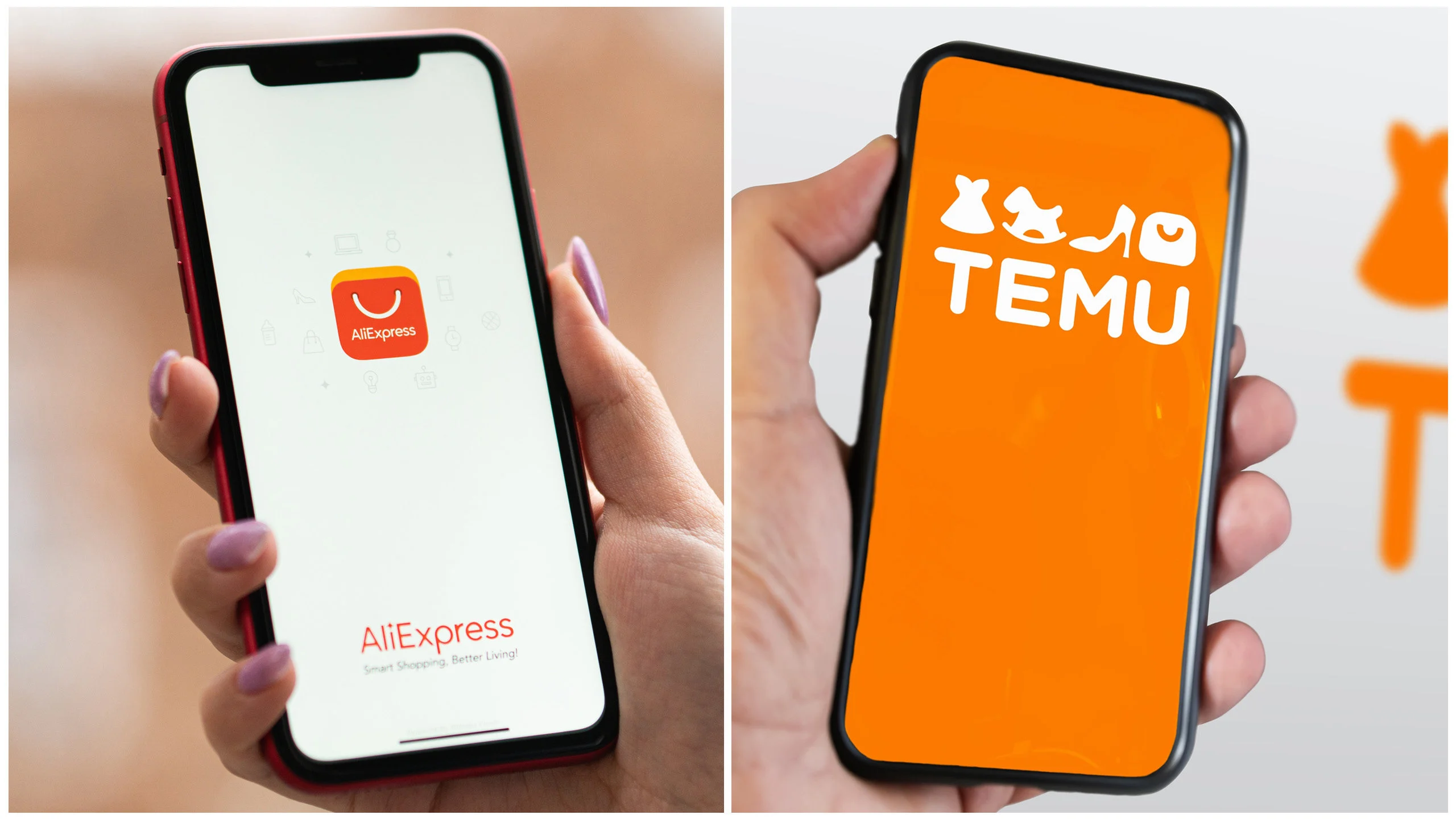
AliExpress and Temu operate on high-volume, low-margin models that enable aggressive pricing. Their direct-from-manufacturer supply chains reduce intermediaries, allowing them to undercut many local competitors.
For cost-conscious shoppers, delivery speed trade-offs are often outweighed by price advantages.
Competitive Pressure on Domestic Retailers
South Korea’s e-commerce market is traditionally dominated by local players known for rapid delivery and logistics excellence.
The entry and growth of cross-border platforms introduce new competitive pressures.
While local marketplaces emphasize next-day fulfillment and premium service, Chinese platforms focus on affordability and promotional intensity.
The result is a bifurcation of consumer behavior: convenience versus cost.
Logistics and Localization
Both AliExpress and Temu have invested in improving logistics infrastructure and localization strategies in South Korea.
Shorter shipping times, localized payment options and Korean-language customer support have reduced barriers to adoption.
These improvements signal that cross-border platforms are not relying solely on low prices but are gradually adapting to local market expectations.
Broader Regional Context
The South Korean expansion mirrors similar growth patterns across Southeast Asia and parts of Europe, where Temu and AliExpress have rapidly acquired users.
Global discount platforms have capitalized on supply chain scale and digital marketing to accelerate entry into mature e-commerce markets.
At the same time, regulators in several jurisdictions are scrutinizing cross-border imports, taxation and product safety standards.
What It Signals
Consumer behavior often shifts fastest during economic uncertainty.
In South Korea, softer spending appears to be creating space for ultra-affordable marketplaces to expand.
For AliExpress and Temu, the opportunity lies in converting price-driven trial into long-term loyalty.
For domestic retailers, the challenge is maintaining differentiation when value perception becomes paramount.
As global e-commerce competition intensifies, South Korea’s market is becoming a test case in how price sensitivity reshapes digital retail hierarchies.