India's direct selling giants like Amway face escalating pressure from D2C, quick commerce, and e-commerce, impacting market share and costs.
India's direct selling industry, encompassing established players such as Amway, Herbalife, and Modicare, is confronting escalating competitive pressures from the rapid proliferation of e-commerce, direct-to-consumer (D2C) brands, and quick-commerce platforms, a dynamic shift that is increasingly compressing traditional market share and elevating customer acquisition costs. This intensifying rivalry threatens to fundamentally reshape entrenched distribution models, compelling incumbent direct sellers to rapidly adapt to evolving consumer expectations or risk ceding significant ground to agile, digitally native competitors and experiencing downward pressure on profit margins.
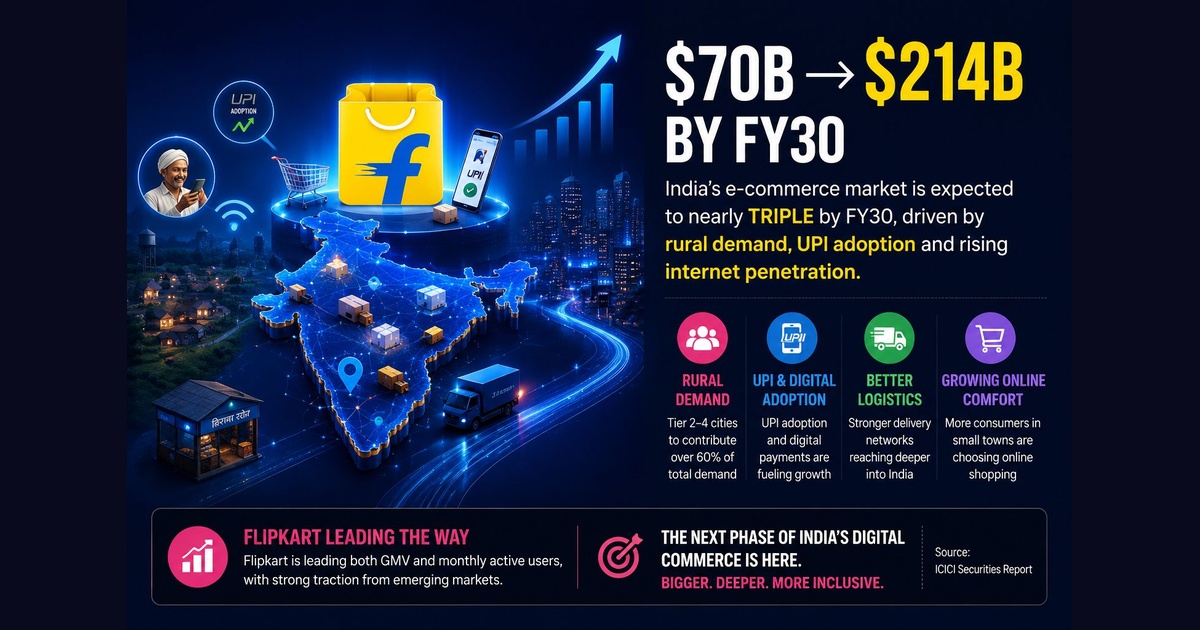
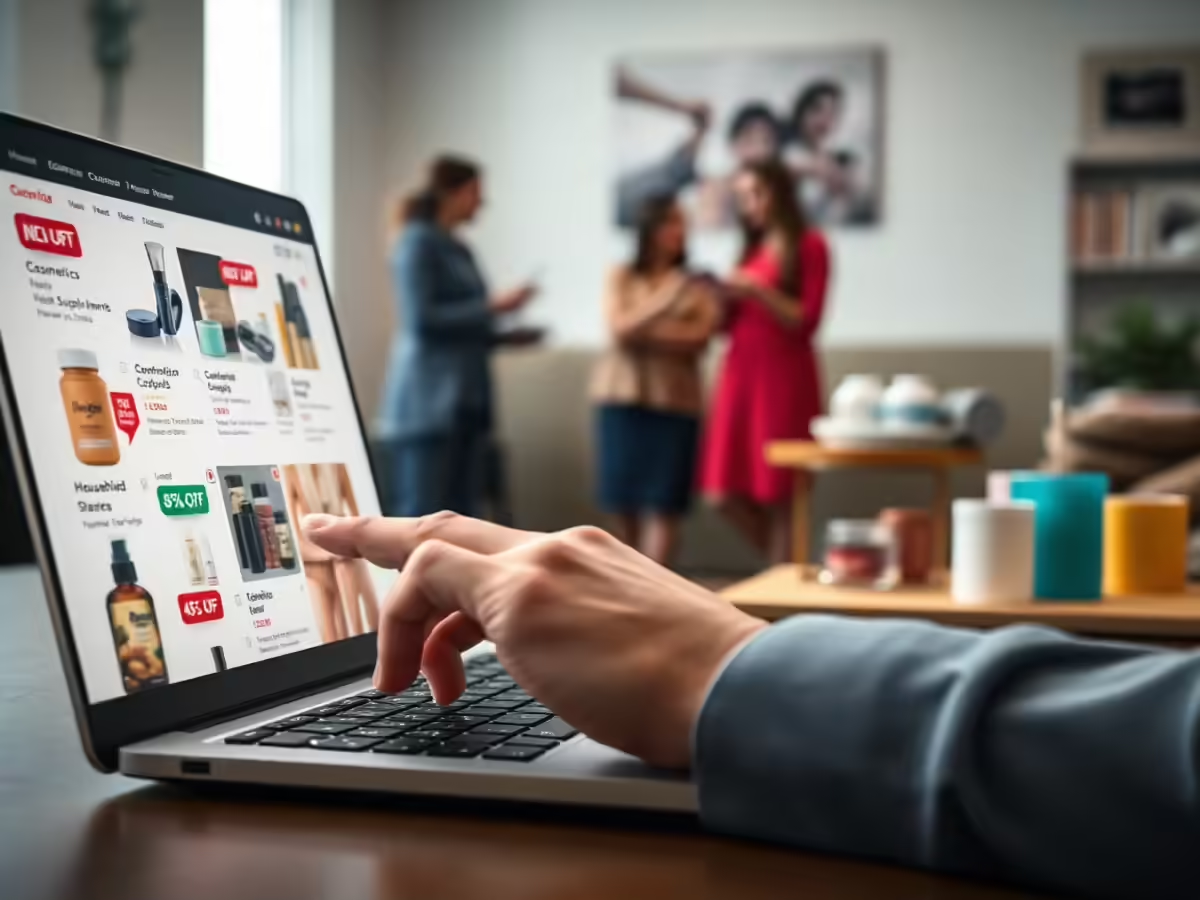
The India Direct Selling Association (IDSA), an autonomous industry body representing leading members, highlighted in its latest annual report that the sector is no longer operating within a closed competitive landscape. Instead, it is now directly evaluated against digital behemoths such as Amazon and Flipkart, which have fundamentally redefined consumer benchmarks for product accessibility, price competitiveness, expedited delivery timelines, seamless digital interfaces, and overall shopping convenience. This re-calibration of consumer expectations presents a formidable challenge; a significant 58% of direct sellers identify competition from these digital platforms as a primary concern, signaling mounting pressure on both their customer acquisition and retention strategies, according to an IDSA statement. This statistic underscores the direct financial impact, translating into potentially higher marketing expenditure for direct sellers, increased churn rates if they fail to meet modern convenience standards, and a potential dilution of brand loyalty that was once a hallmark of the direct selling model.
Beyond vying for consumer spend, these new-age platforms are also actively competing for the same pool of flexible, income-seeking individuals who historically formed the backbone of direct selling workforces, further intensifying the competitive landscape for human capital. As e-commerce and quick-commerce platforms offer attractive opportunities, direct selling companies face renewed pressure to enhance their value proposition for their sales associates, impacting their recruitment funnels and retention rates. Consumers, now accustomed to the instant gratification, extensive product information, and transparent processes offered by online retail, increasingly expect similar standards from direct selling companies, including rapid delivery, frictionless payment gateways, real-time order tracking, and straightforward returns, the report noted. This paradigm shift in consumer behavior necessitates substantial operational and technological investments from traditional direct sellers to merely maintain relevance, creating capital expenditure demands that could pressure free cash flow.
What It Means
The escalating competition implies a profound and fundamental re-evaluation of business models for India's direct selling firms, impacting their long-term profitability, capital allocation decisions, and sustainable growth trajectory. The traditional strength of direct selling, historically rooted in personal relationships, product demonstrations, and bespoke advice, is now being cross-referenced by consumers with the sheer efficiency, broad selection, and often superior value proposition offered by digital channels. Companies that fail to integrate robust digital capabilities, optimize their supply chains for speed and cost-effectiveness, and enhance their digital customer experience may struggle to maintain their competitive edge. This could manifest as significant margin erosion, as they contend with aggressive pricing strategies and faster fulfillment from online rivals, potentially triggering a wave of strategic partnerships, technological acquisitions, or market consolidation within the sector as players seek economies of scale or specialized digital expertise. Those unable to adapt may see their enterprise valuations decline as investors re-price the risk associated with outdated distribution models.
The intensifying battle for talent further complicates the outlook, requiring direct selling organizations to innovate beyond traditional commission structures and motivational incentives. To attract and retain their critical sales force, these companies must enhance their overall value proposition, which could include offering more comprehensive digital tools for sales management, advanced training modules for online engagement and social selling, and improved support systems that rival the flexibility and convenience of gig-economy alternatives. This dual pressure, simultaneously on customer acquisition and workforce retention, necessitates a strategic pivot towards a sophisticated hybrid model that seamlessly blends the personalized touch of direct selling with the technological efficiencies and extended reach of digital commerce. Such a transformation is critical not just for safeguarding future revenues and market share, but also for ensuring the long-term viability and attractiveness of the direct selling model to both consumers and potential distributors in a rapidly evolving retail environment. Failure to execute this pivot could result in declining active distributor counts, a key performance indicator for the sector.
India's direct selling industry reported a 4% year-on-year growth in FY25, reaching Rs 23,021 crore, showcasing notable resilience against global market contractions of 1.2%.
The Context
Despite the intensifying competitive headwinds, the Indian direct selling industry demonstrated remarkable resilience, recording a 4% year-on-year growth in the fiscal year ending March 2025, with revenues climbing to Rs 23,021 crore from Rs 22,142 crore in the preceding fiscal year. This performance stands in stark contrast to global direct selling markets, which collectively contracted by 1.2%, and Asia's near-flat growth of just 0.05% during the same period, underscoring India's growing strategic significance and potential as a key market in the global direct selling landscape. India currently holds the 11th global ranking in terms of country-wise retail sales, as recognized by the World Federation of Direct Selling Associations, a US-based international non-governmental organization. This resilience suggests underlying demand and a foundational strength that, if leveraged effectively through strategic adaptation, could see India climb further in global rankings despite domestic challenges.
Demographically, the sector has seen a positive shift in gender participation, with women direct sellers now accounting for 48% of the total workforce exceeding 9.3 million individuals, an increase from 44% previously. This trend highlights the sector's continued role in providing flexible income opportunities, particularly for women, and contributes significantly to economic empowerment, a social dividend that could be jeopardized by unaddressed competitive pressures. Geographically, the northern region of India emerged as the largest contributor to the industry's gross sales, securing a 27.58% share, followed closely by the western region at 25.47% and the eastern region at 22.47%. The southern region accounted for 17.81% of gross sales, while the northeastern region contributed 6.67%. Among individual states, Maharashtra maintained its leading position, contributing a substantial 15.31% to gross sales, with West Bengal and Uttar Pradesh following at 10.88% and 8.82% respectively. This regional and state-level data provides a granular view of market concentration, indicating key areas where direct sellers have established strong networks and brand presence, as well as regions that may represent untapped growth potential or areas particularly vulnerable to e-commerce penetration.
Wellness and nutraceutical products continue to dominate the sales mix, comprising nearly 60% of total sales, with cosmetics and personal care contributing 26%, and household goods accounting for 5%. Collectively, these three categories represent over 91% of the industry's total sales, underscoring strong and consistent consumer demand for health, beauty, and daily-use products, it added.
Frequently asked questions
What is the main challenge facing direct selling in India?
The direct selling industry in India primarily faces intense competition from the rapid growth of e-commerce, direct-to-consumer (D2C) brands, and quick-commerce platforms. This leads to shrinking market share and higher customer acquisition costs for traditional players.
Which direct selling companies are mentioned in the report?
The report mentions established direct selling players in India such as Amway, Herbalife, and Modicare.
How are D2C brands impacting direct selling?
D2C brands bypass traditional distribution, offering direct consumer access and often lower prices, posing a significant competitive threat to the direct selling model by capturing market share.
What is quick commerce and its effect?
Quick commerce platforms offer rapid delivery of products, often within minutes, increasing consumer expectations for instant gratification and adding pressure on traditional retail and direct selling models.
Are customer acquisition costs rising for direct sellers?
Yes, the intensifying competition from e-commerce and D2C brands is explicitly leading to elevated customer acquisition costs for companies in the direct selling industry.
What is the overall trend in India's retail market?
India's retail market is undergoing a significant transformation, with digital platforms and direct-to-consumer models rapidly gaining dominance and challenging established traditional distribution channels like direct selling.