New rules could limit bike taxi drivers to single platforms daily, reshaping Ola, Uber operations and market economics in Maharashtra.
Maharashtra Poised to Tighten Grip on Bike Taxis, Threatening Aggregator Operating Models
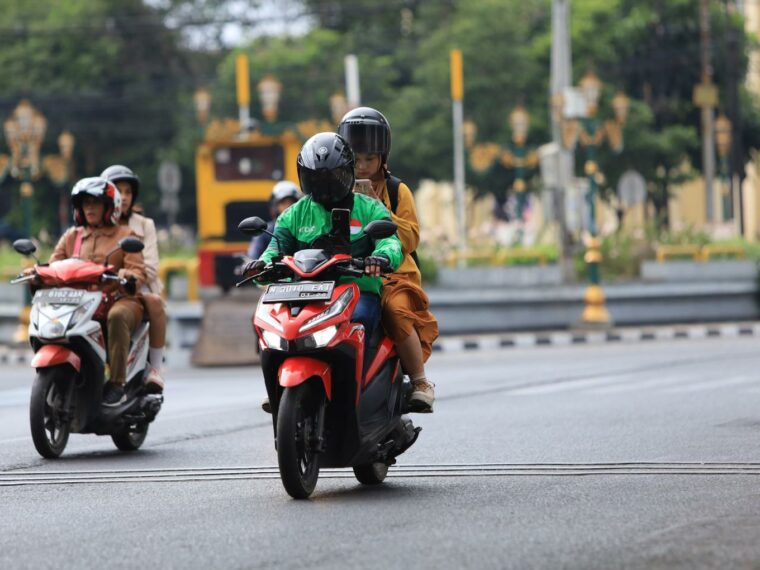
The Maharashtra government is advancing plans to impose stringent new restrictions on bike taxi operators, including a potential mandate limiting drivers to a single aggregator platform per day, a move poised to fundamentally reshape the operational economics and market strategies for companies such as Ola, Uber, and Rapido within the state. This regulatory push signals escalating compliance costs and significant operational adjustments for ride-hailing platforms, potentially impacting their driver supply elasticity and overall profitability in one of India's most economically significant regions. The proposed framework, currently under review by the state’s transport department, seeks to draft a comprehensive bike taxi policy introducing stricter norms for driver verification, vehicle monitoring, and passenger safety, directly addressing concerns over riders frequently switching between multiple applications. Transport Minister Pratap Sarnaik affirmed the state’s unwavering stance on these issues, stating that "Passenger safety, driver verification and transparency in the transport system are non-negotiable," adding that companies must operate only after complying with government rules, with any violation inviting strict action. The discussions involved key officials including CM advisor Kaustubh Dhavse, additional chief secretary (transport) Sanjay Sethi, cyber crime DIG Yashasvi Yadav, and transport commissioner Rajesh Narvekar, alongside representatives from aggregator platforms, underscoring the high-level focus on this evolving regulatory landscape. The state’s consideration of limiting drivers to a single platform daily represents a substantial departure from current operational norms, where drivers often toggle between apps to maximize earnings and fulfill demand spikes, a practice that has underpinned the flexible labor model of the gig economy. This potential restriction, if implemented, aims to ensure clearer accountability for drivers and vehicles associated with individual companies, thereby enhancing regulatory oversight but simultaneously introducing significant logistical and financial hurdles for both aggregators and their driver partners.
What It Means
The proposed regulatory overhaul in Maharashtra could significantly compress the operating margins and growth trajectories of bike taxi aggregators by directly impacting their ability to efficiently manage driver supply and demand. By potentially restricting drivers to a single platform, aggregators may face challenges in maintaining a robust and responsive fleet, leading to increased rider wait times, higher surge pricing volatility, and a potential reduction in overall market efficiency. This forced exclusivity could also diminish driver earnings, as the flexibility to choose platforms based on incentives and demand density is a key component of their income optimization strategy, potentially triggering driver attrition or increased demands for higher per-ride commissions. Furthermore, the emphasis on enhanced driver verification and vehicle monitoring will necessitate substantial investments in technology and compliance infrastructure by the aggregators, adding to their operational overheads at a time when many are still striving for sustained profitability in nascent markets. The shift towards a more tightly controlled operational environment signals a maturing regulatory stance on the gig economy in India, suggesting that the initial phase of rapid, often unregulated, expansion is giving way to a period of heightened scrutiny and mandated adherence to public safety and accountability standards. This could set a precedent for other states grappling with similar challenges in integrating informal transportation services into regulated frameworks, creating a ripple effect across the nation.
₹11.85 Lakh
Total fines collected from detected non-compliant bike taxis linked to Rapido, Uber, and Ola following license revocations, highlighting ongoing enforcement challenges and the scale of unauthorized operations.
The Context
The escalating regulatory standoff between the Maharashtra government and bike taxi aggregators is rooted in a history of alleged non-compliance and disputes over operational legality, dating back to Rapido’s initial launch in 2020 without formal state approval. Rapido’s subsequent license applications were rejected in both 2020 and 2022, culminating in a 2023 Bombay High Court directive that compelled the company to suspend its operations in the state for a week, underscoring the long-standing nature of these regulatory challenges. Earlier this month, Transport Minister Sarnaik had explicitly called for an immediate cessation of bike taxi services offered by Ola, Uber, and Rapido, citing operations without valid approvals and violations of established transport regulations, further advocating for the filing of First Information Reports (FIRs) against these companies. The state had previously notified the Maharashtra Bike-Taxi Rules 2025 in July of the previous year, which granted provisional 30-day licenses to Ola, Uber, and Rapido, contingent on their transition to an electric bike taxi model. These rules specifically mandated that only electric two-wheelers, distinctively painted yellow and clearly marked as bike taxis, would be permitted to operate commercially. However, the platforms reportedly failed to adhere to these stipulations, prompting the state to revoke their provisional licenses in March of the current year. Despite this revocation, enforcement teams subsequently detected a significant number of vehicles continuing operations, with approximately 715 Rapido-linked bike taxis, 43 linked to Uber, and 18 linked to Ola, leading to the aforementioned collection of fines amounting to ₹11.85 Lakh. This continued operation post-revocation has intensified the state's resolve to implement more definitive and enforceable policy measures. The current consideration of new curbs follows recent, albeit temporary, enforcement actions, including a directive issued by the state government to Apple and Google to remove bike taxi applications from their respective app stores, an order that was swiftly withdrawn within 24 hours. A senior cyber department official indicated the state’s ongoing efforts to find alternative regulatory mechanisms, stating that authorities are "trying to work around a way to cease bike taxi operations without blocking all standalone ride-hailing apps." This statement highlights the complexity of enforcing regulations on digital platforms while attempting to minimize broader market disruption. The immediate future of bike taxi operations in Maharashtra hinges on the finalization and implementation of the state’s comprehensive policy, with industry observers closely monitoring the legislative timeline and any potential legal challenges from aggregator platforms. Key triggers to watch include specific dates for public consultation on the draft policy, the timeline for its official enactment, and the enforcement mechanisms designed to ensure compliance with the proposed "one aggregator per day" rule. The outcome in Maharashtra could establish a critical precedent for how other Indian states approach the regulation of the burgeoning gig economy, particularly concerning driver autonomy, platform accountability, and passenger safety standards across the country.
Frequently asked questions
What new restrictions is Maharashtra considering for bike taxis?
Maharashtra is proposing new rules that could limit bike taxi drivers to operating on only one aggregator platform per day, among other stringent regulations aimed at the sector.
Why is the Maharashtra government imposing these curbs?
The government seeks to regulate the burgeoning bike taxi sector, address safety concerns, streamline operations, and potentially ensure fairer practices for both drivers and passengers.
How will these curbs affect companies like Ola and Uber?
These restrictions could significantly alter their operational models and market strategies, potentially increasing costs and reducing driver flexibility, impacting their profitability in Maharashtra.
What does limiting drivers to one app mean for them?
It means drivers may lose the flexibility to switch between apps to find better fares or more riders, potentially impacting their daily earnings and overall income stability.
When are these new bike taxi regulations expected to be implemented?
The article indicates that the Maharashtra government is currently advancing plans, suggesting implementation could be in the near future, pending final decisions and legislative processes.
Are other Indian states considering similar bike taxi regulations?
While the article focuses on Maharashtra, similar regulatory discussions and actions have occurred in other Indian states, reflecting a broader trend towards formalizing the gig economy and ride-hailing services.