Platform and Architecture
The 2027 BMW i3 is expected to sit on BMW’s dedicated Neue Klasse EV platform, designed from the ground up for electric efficiency. This architecture prioritizes lighter weight, improved battery density and advanced software integration.
Mercedes’ C-Class EV, meanwhile, builds on the brand’s growing electric platform strategy, designed to mirror the proportions and familiarity of the traditional C-Class while optimizing for battery packaging.
In short: BMW starts fresh. Mercedes evolves.
For buyers, that difference translates into subtle but meaningful contrasts in packaging, weight balance and interior layout.
Range and Efficiency
BMW has positioned Neue Klasse vehicles around efficiency gains, targeting competitive range figures with improved energy density and aerodynamic design.
The i3 is expected to deliver strong range performance for its segment, aided by optimized battery chemistry and next-generation power electronics.
The Mercedes C-Class EV focuses on balanced performance — competitive range paired with comfort-oriented tuning. While exact specifications vary by configuration, both vehicles are expected to sit comfortably in the mid-to-high range bracket typical for premium compact EV sedans.
Efficiency will likely favor BMW slightly, given its platform-first approach.
Driving Dynamics
BMW’s identity has long centered on driving engagement.
The 2027 i3 is expected to emphasize sharper steering response and dynamic chassis tuning, aligned with BMW’s traditional “ultimate driving machine” positioning.
Mercedes, by contrast, prioritizes composure and refinement. The C-Class EV is expected to deliver smoother ride quality, enhanced cabin insulation and quieter operation.
The distinction reflects brand DNA more than raw numbers.
Drivers seeking involvement may gravitate toward BMW. Those seeking serenity may prefer Mercedes.
Interior and Technology
Inside, both brands are doubling down on digital experiences.
BMW’s Neue Klasse interface is expected to integrate a panoramic display concept with streamlined controls and over-the-air software flexibility.
Mercedes continues to refine its digital cockpit approach, with expansive screens and advanced driver-assistance systems integrated into a cohesive luxury environment.
Both vehicles emphasize AI-enhanced infotainment and predictive assistance features, reflecting broader industry trends.
Design Philosophy
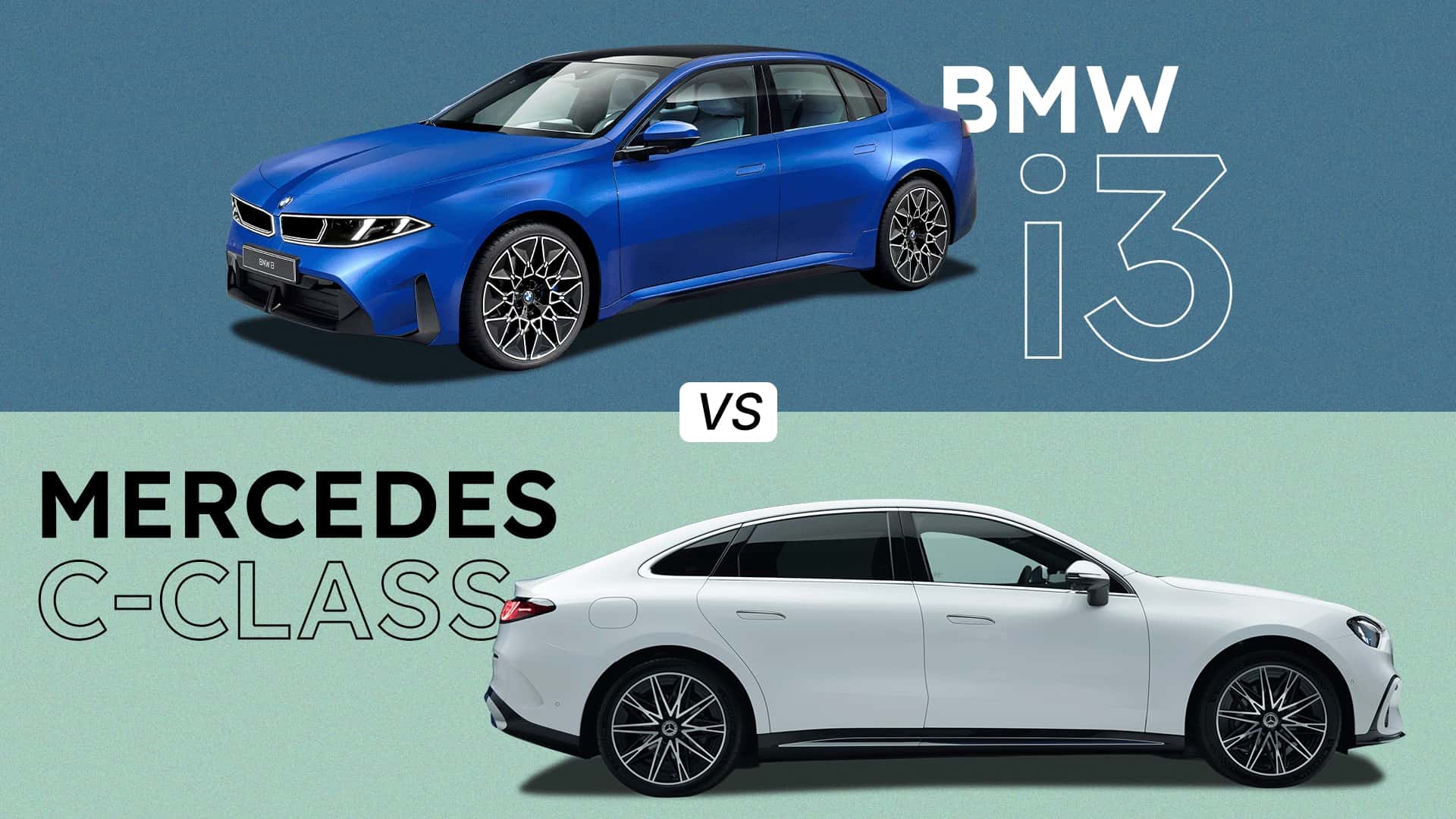
Visually, BMW’s Neue Klasse signals a sharper departure from combustion-era proportions, with a more aerodynamic silhouette and simplified design language.
The Mercedes C-Class EV retains more familiar cues, aligning closely with the established C-Class aesthetic while adapting for electric proportions.
This difference matters for brand loyalists.
BMW’s i3 feels like a new chapter. Mercedes’ C-Class EV feels like a continuation.
Market Positioning
Both vehicles target similar buyers: professionals seeking a premium electric sedan without stepping into flagship pricing territory.
The competition sits not only between Mercedes and BMW, but also against Tesla and emerging premium EV challengers.
Pricing, incentives and charging ecosystem access will heavily influence real-world purchasing decisions.
Which Is Better?
The answer depends on priorities.
If efficiency, new architecture and sharper handling define “better,” the BMW i3 may hold an edge.
If comfort, brand continuity and refined luxury are more important, the Mercedes C-Class EV offers a compelling package.
In 2027, the premium electric sedan is no longer experimental.
It is the core battlefield for legacy automakers redefining themselves for an electric era.
And between Mercedes and BMW, the rivalry remains as competitive as ever — only now, it runs on batteries.