Building Luxury Around Indian Identity
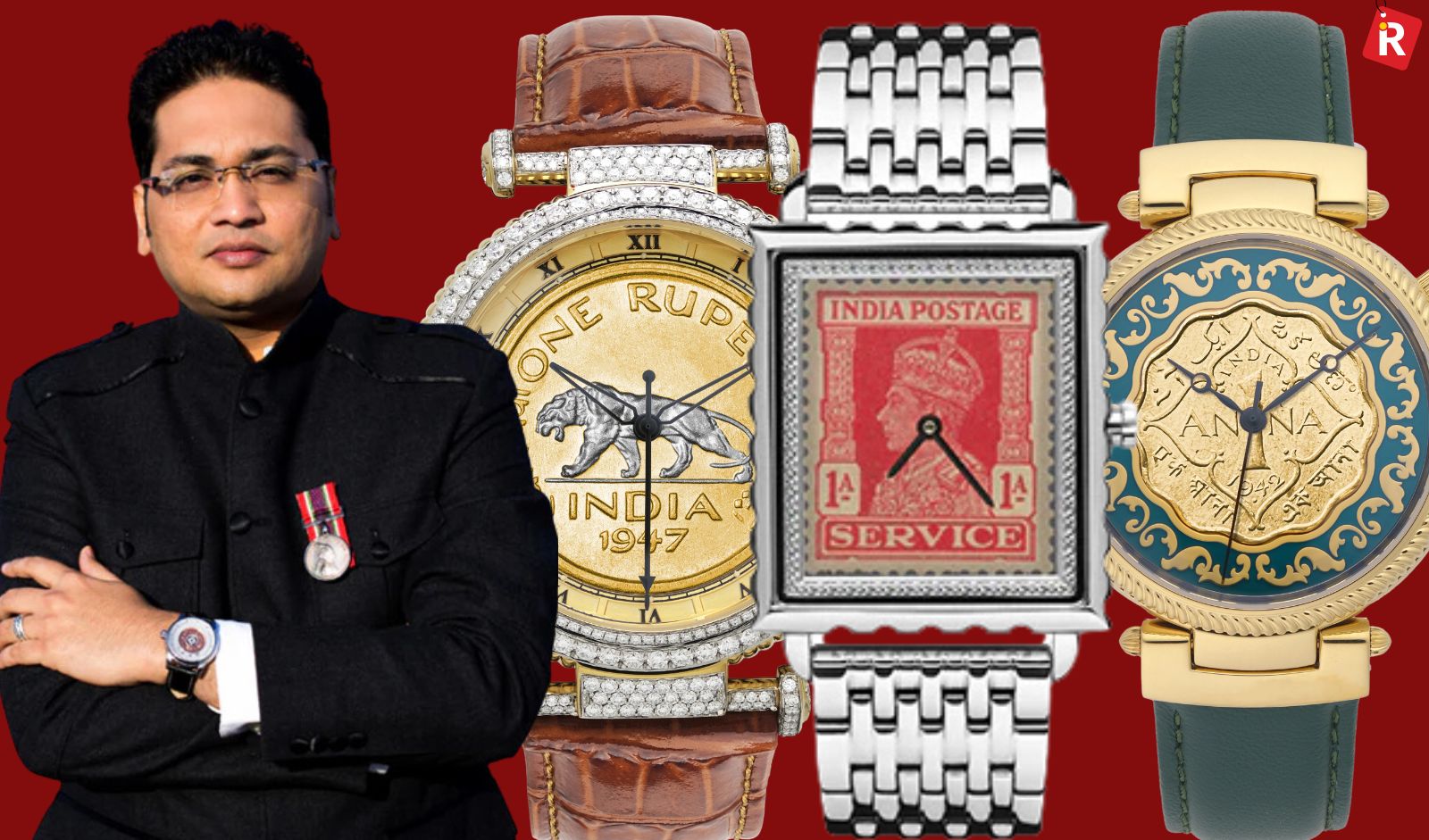
Jaipur Watch Company has differentiated itself by leaning into Indian storytelling rather than replicating Swiss design language. Its timepieces often incorporate rare coins, royal insignias or historical references, creating limited-edition appeal.
This approach allows the brand to occupy a niche between heritage collectibles and wearable luxury.
As affluent Indian consumers grow more confident in homegrown labels, heritage-based differentiation has become a competitive lever.
Rather than compete on mass production, the company emphasizes exclusivity and craftsmanship — two pillars of traditional luxury branding.
Scaling Without Diluting Premium
Reaching ₹100 crore in revenue requires expansion, but luxury brands must scale carefully.
Controlled distribution, limited inventory and curated retail presence are critical to preserving brand equity. Overexposure can erode perceived value.
Jaipur Watch Company’s growth play appears to balance direct-to-consumer channels with selective offline retail partnerships, ensuring reach without commoditization.
The challenge will be increasing production capacity while maintaining artisanal quality.
India’s Evolving Luxury Market
India’s luxury goods market has expanded steadily over the past decade, fueled by rising disposable income and a younger demographic willing to spend on lifestyle products.
Premium watches occupy a symbolic space in this ecosystem — combining functionality with status signaling.
While global brands retain strong presence, domestic premium players are beginning to capture mindshare by offering culturally resonant alternatives.
The ₹100 crore target positions Jaipur Watch Company among the emerging class of Indian aspirational luxury startups.
Competition and Market Positioning
The premium watch segment in India includes international heritage brands, mid-range fashion labels and niche independent watchmakers.
Jaipur Watch Company’s advantage lies in its distinct narrative. By embedding historical artifacts into design, it creates collectability rather than pure fashion appeal.
However, scaling beyond niche collectors into broader luxury audiences will require sustained marketing, brand storytelling and possibly international outreach.
The Path to ₹100 Crore
Crossing the ₹100 crore milestone is as much about brand perception as it is about sales volume.
Luxury consumers evaluate craftsmanship, heritage authenticity and after-sales service as much as price.
Jaipur Watch Company’s strategy suggests a long-term brand-building play rather than rapid expansion at discount.
If executed carefully, the brand could become part of a wider movement redefining Indian luxury — not as derivative, but as distinct.
In a market where global names once dominated, that shift is increasingly visible.
And for Jaipur Watch Company, ₹100 crore is less a finish line than a statement of intent.