Then came Instagram, UPI, quick commerce, and India's D2C moment. And suddenly, a 400-year-old embroidery tradition is raising Series A capital.
D2C ethnic fashion brand House of Chikankari has raised ₹25 crore (approximately $2.6 million) in its Series A round led by Cap Alpha Ventures, formerly known as Client Associates Alternate Fund. The company reported over 50% growth in FY26 and is currently operating at an annual revenue run rate of ₹50 crore, with over 2 lakh customers globally. For a brand founded in 2020 by a mother-daughter duo with no fashion industry background, that trajectory — from zero to ₹50 crore ARR in five years, against the backdrop of a post-pandemic economy and a notoriously competitive D2C fashion market — deserves more than a funding alert. It deserves an explanation. WriskMordor Intelligence
What House of Chikankari Actually Built
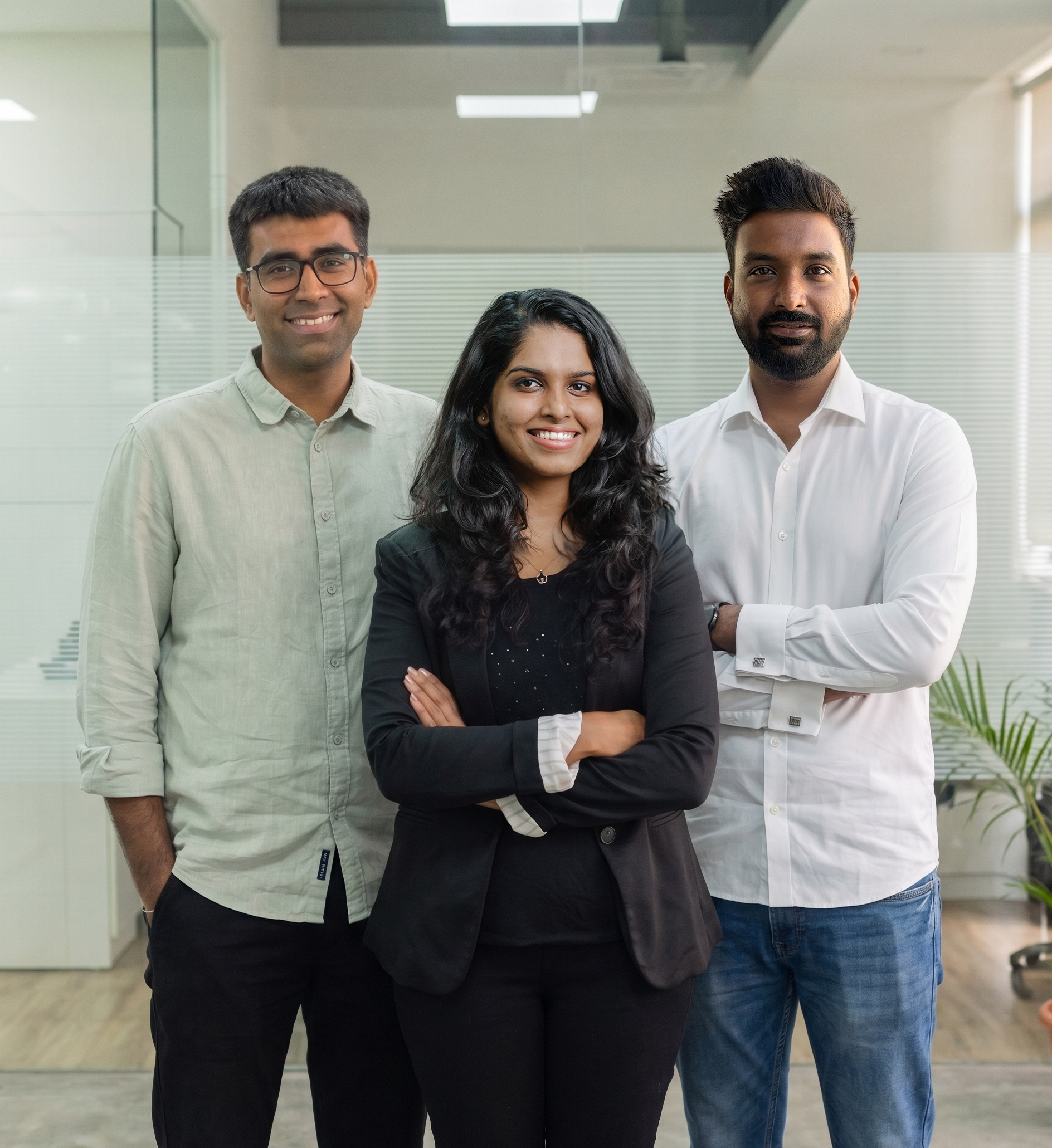
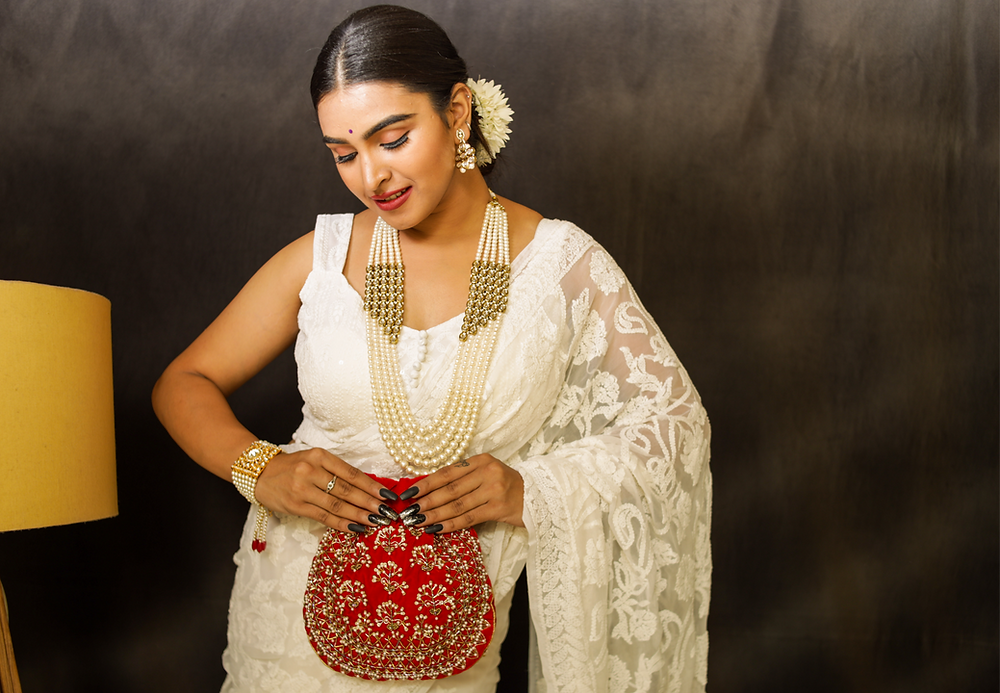
Founded in 2020 by Aakriti Rawal and Poonam Rawal, House of Chikankari aims to modernise traditional chikankari embroidery, making it suitable for everyday wear by combining heritage craftsmanship with contemporary design. The brand works with over 10,000 artisans to preserve hand-embroidered chikankari. Its product range includes kurtas, sarees, kaftans, tops, shirts, and bottoms. Genasys Technologies
That "everyday wear" framing is the commercial insight that separates House of Chikankari from the heritage-first positioning that has kept most artisanal brands in a perpetual niche. Traditional chikankari — white thread on white fabric, intricate floral motifs, formal kurtas — is a special occasion product. Aakriti and Poonam Rawal asked a different question: what if the embroidery came in contemporary silhouettes, wearable to the office or a casual dinner, priced for the upper-middle market rather than the luxury segment?
The answer, executed across five years, is a ₹50 crore ARR business with 9 lakh monthly user sessions on its own website and app — without relying on marketplace traffic as a primary driver. A significant share of its revenue comes from proprietary channels, which generate over 9 lakh monthly user sessions across its website and app. In Indian D2C fashion, where the default distribution channel is Myntra or Ajio — platforms that extract margin and own the customer relationship — building that level of owned-channel traffic is a genuine operational achievement. It means House of Chikankari has email lists, repeat purchase rates, and customer data that marketplace-dependent brands simply don't have. Fortune Business Insights
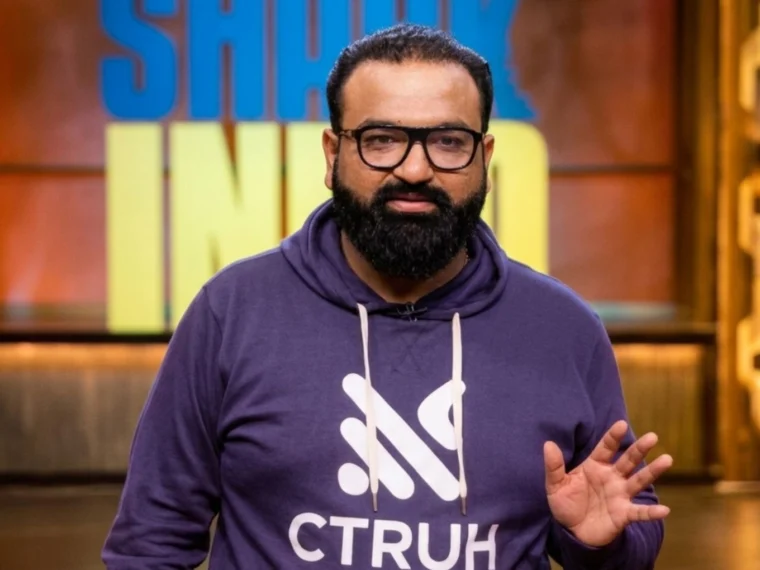
The Delhi-based brand was featured on Shark Tank India Season 2 in 2023. That television moment — typically valuable for brand awareness but rarely sufficient to explain sustained commercial traction — was followed by a ₹4 crore seed round in January 2025 and now this Series A. The Shark Tank appearance gave the brand a national consumer recognition moment. The execution since then is what produced the unit economics that Cap Alpha Ventures funded. GlobalData
"This fundraise marks an important step in our journey of building a brand that brings Indian craftsmanship to a wider audience while remaining relevant to today's consumer. House of Chikankari remains committed to strengthening its artisan ecosystem and driving long-term impact across the craft value chain."
— Aakriti Rawal, Founder, House of Chikankari
The Market Timing That Makes This Round Compelling
India's D2C fashion segment is projected to cross the $112 billion mark by 2030, growing at a CAGR of 25%. It remains the largest and most funded segment within the broader D2C ecosystem, which is expected to reach a total addressable market of $300 billion by the end of the decade. Wrisk
Those headline numbers describe the opportunity. The more specific market dynamics explain why House of Chikankari's positioning within that opportunity is particularly well-timed.
Artisanal craftsmanship is becoming a selling point, with handcrafted ethnic wear brands reporting a 40% surge in demand. That surge is not accidental. It is the product of three converging forces. The first is a post-pandemic reorientation toward domestic production, heritage craft, and "made in India" identity — a cultural shift that intersects with consumer nationalism and genuine aesthetic preference. The second is the globalisation of the Indian diaspora: an estimated 32 million people of Indian origin live outside India, many of them in the US, UK, and Australia — precisely the markets where House of Chikankari has already established presence. It has shipped to over 20 countries, including the United States, Australia, and the United Kingdom. The third force is social media: chikankari photographs exceptionally well on Instagram, its intricate embroidery details reward the close-up shot that dominates contemporary visual commerce, and its cultural specificity gives it instant differentiation in a global feed dominated by fast fashion homogeneity. Precedence ResearchFortune Business Insights
Chikankari demand in Tier II India is reshaping how traditional fashion is consumed. Once considered a niche craft popular mainly in cities like Lucknow, Delhi, and Mumbai, chikankari has now found strong roots in Tier II cities such as Jaipur, Indore, Patna, and Bhopal. With increasing digital access, rising disposable incomes, and a renewed interest in ethnic wear, these markets are becoming the new growth engine. House of Chikankari's omnichannel expansion — funded by this Series A — is timed precisely to capture that Tier II demand wave through offline retail presence in cities where chikankari awareness exists but accessible, contemporary retail formats do not. MEDIANAMA
The artisan supply chain is the story beneath the commerce story. House of Chikankari has built a supply ecosystem of over 10,000 women artisans across India, combining heritage craftsmanship with contemporary design. That network is not simply a production resource — it is a social impact claim that resonates with the increasingly values-conscious consumer segment both domestically and in diaspora markets. The handloom sector in India employs 3.5 million people, of whom 72% are women. A brand that directly supports 10,000 women artisans — and scales that number with its growth — is making a commercial argument and a social one simultaneously. In an international market where ethical sourcing has moved from differentiator to baseline expectation, that supply chain transparency is commercially valuable.Mordor Intelligence
What the Capital Is For — and What It Reveals
The company said the proceeds will be used to expand its product portfolio, strengthen its omnichannel presence with a push into offline retail, improve working capital efficiency, and invest in team expansion and marketing. Research Nester
Each of those allocations maps to a specific growth constraint that D2C brands at House of Chikankari's scale consistently encounter.
The offline retail push is the most structurally significant. India's ethnic wear market is still predominantly offline — offline distribution channels, including specialty and retail stores, dominate the ethnic wear market with a 63.2% share. A brand that has built its first ₹50 crore of ARR entirely through online channels has, by definition, reached a customer who was already comfortable discovering and purchasing ethnic fashion digitally. The next ₹50 crore — and the ₹150 crore after that — will increasingly require reaching the consumer who still touches the fabric before buying, who still wants to see the embroidery detail under retail lighting, and who still trusts the physical shopping experience for a category as tactile as hand-embroidered clothing. Medium
The working capital efficiency allocation is equally revealing. Fashion brands that source handcrafted products face a structural working capital challenge: artisan production is slow, inventory must be held well ahead of demand, and the seasonal peaking of ethnic wear purchases (festival season, wedding season) creates cash flow dynamics that require capital to navigate without sacrificing production capacity. At ₹50 crore ARR with 50%+ growth, the working capital requirements scale faster than the business's internal cash generation. The Series A funds that gap.
The Indian ethnic wear market is estimated at over $20 billion domestically, with women's ethnic wear constituting 71% of total market share. House of Chikankari's ₹50 crore ARR represents a fraction of a fraction of that market — which, paradoxically, is the most compelling thing an investor can hear. The brand has demonstrated the commercial model works, the unit economics are healthy, and the addressable market remaining is enormous.
Key Takeaways
1. ₹50 crore ARR with 50%+ growth in FY26 is the number that matters, not the funding amount. The ₹25 crore round is the consequence of the commercial performance, not the cause of it. Cap Alpha Ventures backed demonstrated execution, not a hypothesis.
2. The 10,000-artisan network is simultaneously a supply chain and a moat. A competitor can replicate the digital-first brand positioning, the contemporary chikankari aesthetic, and the omnichannel distribution plan. Building an active supply relationship with 10,000 skilled artisans — mostly women, geographically distributed, trained in a specific craft — takes years and cannot be purchased off a shelf.
3. The diaspora distribution is undervalued in the funding narrative. Shipping to 20+ countries including the US, UK, and Australia means House of Chikankari is already a global ethnic fashion brand. The 32 million-strong Indian diaspora represents a consumer segment with higher purchasing power than the domestic market, strong cultural affinity for chikankari, and limited access to quality heritage fashion. This is where the international story scales.
4. The offline retail push is a category-expansion play, not just a distribution decision. India's ethnic wear market remains 63% offline. Every chikankari brand that has tried to build retail presence in metro and Tier II markets has encountered the same discovery: in-store touch drives conversion in a way that product photography cannot fully replicate. The Series A gives HOC the working capital to build that presence before competitors fill the shelf space.
5. The Shark Tank India platform validated the brand to consumers; this round validates it to institutional capital. The two validations are different in kind. Consumer brand recognition drives awareness. Institutional capital with "healthy unit economics" sign-off from Cap Alpha Ventures' Rishabh Kant signals that the business, not just the brand, meets the standards for venture-backed growth.
The Honest Counterargument
The ethnic wear D2C market has seen enough well-funded brands stall between ₹50 crore and ₹200 crore ARR to treat the trajectory cautiously. House of Chikankari competes with VivKala, House of Karo, and Libas — as well as the larger organised players like Fabindia, Biba, and W, all of whom have decades of brand recognition, physical retail presence, and supply chain infrastructure. The ₹25 crore round is meaningful at the current scale; it is not sufficient to build the retail footprint required to compete with players that have raised ten to twenty times that amount. Wrisk
The handcrafted production model that makes chikankari distinctive also makes it structurally resistant to the speed and volume scaling that venture-backed growth typically demands. A kurta that takes three weeks for an artisan to embroider cannot be delivered faster without mechanising the embroidery — which eliminates the product's primary differentiator. House of Chikankari will need to navigate that tension carefully as it pushes toward "multi-fold growth over the next two years," which almost certainly requires either expanding the artisan network proportionally or introducing some product lines with less artisan-intensive production.
The international market also carries execution complexity that a ₹25 crore round cannot fully fund. Establishing retail or robust last-mile presence in the US and UK — where the diaspora opportunity is largest — requires logistics infrastructure, returns management, brand localisation, and regulatory compliance that absorption into a few marketplace platforms doesn't adequately address.
Why This Round Matters Beyond the Brand
The House of Chikankari story is one data point in a pattern that deserves attention. India's heritage craft D2C category — which encompasses chikankari, block printing, handloom, Banarasi weaving, and a dozen other regional traditions being reimagined for contemporary consumer markets — is at the same inflection point that fast fashion D2C was at in 2018: proven consumer demand, emerging institutional capital interest, and a competitive landscape still fragmented enough that category-defining brands can be built.
The difference is that heritage craft D2C has a social infrastructure dimension that fast fashion doesn't. The handloom sector employs 3.5 million people, 72% of whom are women. A brand that scales handcrafted production is not just building a business — it is expanding economic opportunity for artisan communities that have historically had limited market access. Government initiatives including the April 2025 "Textiles for Textile" programme, Make in India, and various state-level artisan cluster schemes provide policy tailwind that pure fast fashion D2C never enjoyed. Bloomberg
Cap Alpha Ventures' Rishabh Kant noted that House of Chikankari "has demonstrated strong execution and built solid business fundamentals with healthy unit economics, positioning it well for future growth." In a D2C category where unit economics have been the persistent question mark — customer acquisition costs rising, return rates elevated, margin compression from marketplace dependency — those healthy fundamentals are the differentiator that earns institutional capital.
From Lucknow's artisan clusters to 20 countries in five years. From a mother-daughter idea to ₹50 crore ARR. The India D2C fashion ecosystem has found its craft-first category leader. The question the next 24 months will answer is whether ₹25 crore is the fuel to scale a brand — or the starting gun for a category.