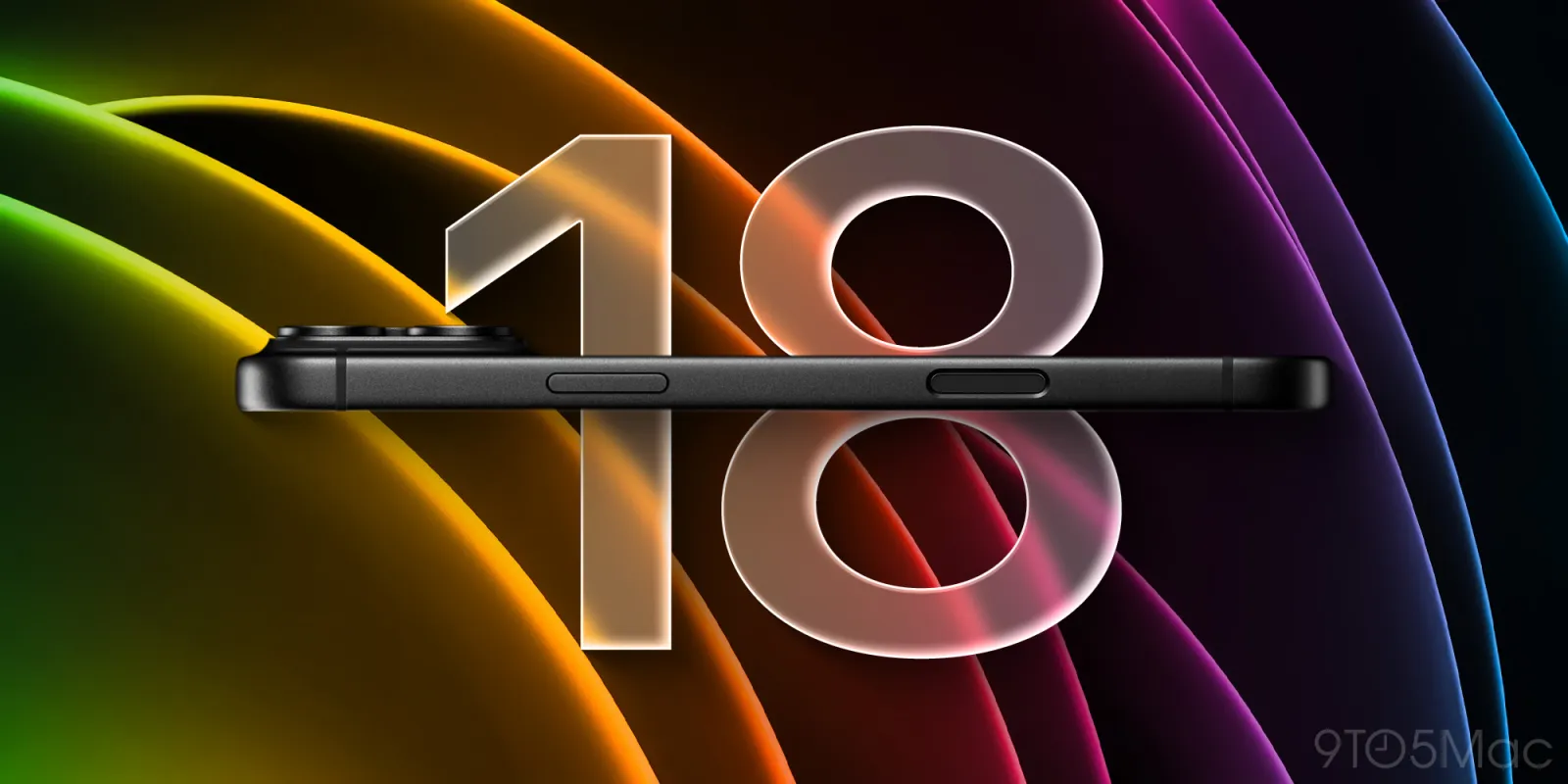
Anticipated for late 2024, the iPhone 18 Pro is poised for a significant design overhaul with three fundamental shifts redefining premium smartphones.
The iPhone 18 Pro, anticipated for a late 2024 unveiling, is shaping up to be more than just an incremental update. Industry chatter, supply chain leaks, and patent filings collectively paint a picture of a device poised for a significant design overhaul. This isn't merely about new colors or subtle refinements. We are looking at three fundamental design shifts that could redefine the premium smartphone experience, challenging established norms and setting a new benchmark for Apple's competitors.
For founders and operators navigating the rapidly evolving tech landscape, understanding these shifts isn't just about product roadmaps. It's about discerning Apple's strategic intent, anticipating market reactions, and identifying the next waves of innovation in component manufacturing, accessory ecosystems, and user interface paradigms. Apple, historically a meticulous and often conservative design innovator, appears ready to make bolder moves with the iPhone 18 Pro, signaling a pivotal moment in its hardware trajectory.
The Port-less Future Arrives
Perhaps the most radical and widely discussed design update for the iPhone 18 Pro is the complete removal of the physical charging port. After years of speculation, and a singular Lightning port that persevered against industry-wide USB-C adoption, Apple finally transitioned the iPhone 15 series to USB-C. However, that move was widely seen as a temporary measure, a compliance step before the inevitable leap to a fully port-less device. The iPhone 18 Pro is expected to make that leap, relying solely on MagSafe for power and wireless data transfer for all connectivity.
This decision carries significant implications. For Apple, it represents the ultimate expression of its minimalist design philosophy, removing a potential point of ingress for dust and water, and streamlining the device's exterior. It also solidifies the MagSafe ecosystem as the primary interface for power and potentially data, pushing accessory manufacturers to innovate within this standard. Globally, this move is particularly interesting given the European Union's mandate for USB-C as the common charging standard. Apple's likely argument, backed by legal teams, would be that a device without any physical charging port falls outside the scope of legislation targeting wired charging interfaces, thus bypassing the mandate for a unified wired port.
The transition demands robust wireless charging speeds, potentially exceeding the current 15W MagSafe standard for faster top-ups. We could see the introduction of "MagSafe Pro" with enhanced coil designs and higher wattage delivery, perhaps reaching 30W or even 40W, bringing it closer to wired charging speeds prevalent in competitor devices like those from Xiaomi or OnePlus in Asian markets. Data transfer, traditionally handled by the port, would pivot entirely to Wi-Fi 7 and potentially Ultra Wideband (UWB) for localized high-speed transfers, requiring a shift in how users perceive and interact with their devices for backups and large file movements.
True Full-Screen Immersion with Under-Display Technology
The second major design innovation expected on the iPhone 18 Pro is the full realization of a true edge-to-edge display, achieved by integrating the front-facing camera and Face ID sensors beneath the screen. The Dynamic Island, while an ingenious solution to the notch, was always an interim step. With the iPhone 18 Pro, Apple is poised to eliminate this last major display interruption, offering an uninterrupted canvas for content consumption and interaction.
This technological feat requires significant advancements in display transparency and sensor technology. Current under-display cameras from manufacturers like Samsung and ZTE often suffer from compromised image quality due to the display pixels obscuring the lens, or a visible pixel grid over the camera module. Apple's approach, leveraging its deep expertise in custom silicon and computational photography, is anticipated to mitigate these issues through superior pixel arrangement, advanced light-gathering algorithms, and potentially a new generation of micro-LED or OLED panel technology that allows for greater light transmission when needed.
The aesthetic impact of a truly full-screen iPhone is profound. It enhances the device's premium feel, further differentiating it from competitors and deepening user immersion. For professionals, particularly those in creative fields or data visualization, this expanded display real estate translates directly into improved productivity and a more seamless viewing experience for complex applications, spreadsheets, or design mock-ups. The visual continuity will be a subtle yet powerful upgrade, reinforcing Apple’s commitment to an uncompromised user interface.
Refined Titanium and Solid-State Buttons
The third significant design update focuses on the iPhone 18 Pro's physical construction and tactile experience: a refined titanium frame coupled with solid-state buttons. Apple introduced titanium with the iPhone 15 Pro, lauded for its strength-to-weight ratio. The iPhone 18 Pro is expected to further refine this material, potentially utilizing a new grade of titanium alloy or an advanced finishing process to achieve even greater scratch resistance, reduced fingerprint smudging, and a more premium, perhaps slightly more polished, aesthetic.
Complementing this robust frame will be the integration of solid-state buttons for power, volume, and potentially the Action Button. These buttons, unlike traditional mechanical switches, do not physically move. Instead, they rely on haptic feedback from enhanced Taptic Engines to simulate the sensation of a click when pressed. This technology, previously rumored for earlier iPhone models, offers several advantages: increased durability by eliminating moving parts, enhanced water and dust resistance, and greater design flexibility for Apple engineers.
For users, the solid-state buttons promise a more consistent and customizable tactile response. Developers could potentially leverage the Taptic Engine's precision to create unique haptic profiles for different app interactions or notifications, adding another layer of sensory feedback to the iOS experience. This subtle yet impactful change reinforces Apple's attention to detail and its pursuit of a seamless, integrated hardware-software experience, a hallmark of its design philosophy that resonates deeply with its discerning user base in markets from Silicon Valley to Singapore.
Market Implications and Strategic Positioning
These three design innovations for the iPhone 18 Pro are not merely aesthetic upgrades; they represent a strategic play by Apple to solidify its position at the absolute pinnacle of the premium smartphone market. By pushing the boundaries of port-less design, true full-screen displays, and advanced haptic integration, Apple aims to create a device that is distinctively futuristic and technologically advanced, justifying its premium pricing model.
The impact on the broader market will be significant. Competitors will be forced to accelerate their own research and development in under-display cameras, advanced haptics, and robust wireless charging solutions. Accessory manufacturers will see an increased demand for sophisticated MagSafe-compatible products and wireless data transfer peripherals. The move to port-less design, in particular, will push the entire industry further towards a wireless future, potentially impacting everything from car infotainment systems to enterprise docking solutions.
For founders and operators, these changes signal an ongoing evolution in user expectations. Consumers will increasingly demand seamless, uninterrupted visual experiences and highly tactile, responsive interfaces. Businesses developing mobile-first solutions or hardware integrations must consider a future where physical ports are an anomaly, and wireless connectivity is paramount. Apple's iPhone 18 Pro is poised to be a blueprint for the next generation of personal computing devices, demanding attention from every corner of the global tech ecosystem.
Key Takeaways
The iPhone 18 Pro is set for three major design overhauls: a fully port-less chassis, true under-display Face ID and front camera, and a refined titanium frame with solid-state buttons.
The port-less design will heavily lean on an upgraded MagSafe ecosystem, potentially bypassing EU USB-C mandates and pushing wireless charging speeds.
Under-display camera technology aims to deliver an uninterrupted, true edge-to-edge display, a significant aesthetic and functional upgrade for content consumption.
Solid-state buttons, powered by advanced Taptic Engines, promise enhanced durability, superior water resistance, and customizable haptic feedback, redefining tactile interaction.
These innovations will reinforce Apple's premium market position, challenge competitors to accelerate their R&D, and reshape user expectations for future smartphone design and functionality globally.
Frequently asked questions
What are the three new design updates expected for the iPhone 18 Pro?
While specific details are still emerging from leaks and patent filings, the iPhone 18 Pro is anticipated to feature significant changes to its overall form factor, potentially including new material choices, revised button layouts, and a reimagined display area. These fundamental shifts aim to offer users a fresh aesthetic and enhanced user experience.
When is the iPhone 18 Pro expected to be unveiled?
The iPhone 18 Pro is anticipated for a late 2024 unveiling, following Apple's typical release schedule.
Are these design changes just cosmetic, or are they functional?
The article preview suggests these are "fundamental design shifts," implying they are more than just cosmetic and will likely impact functionality and user interaction.
Where does the information about these design updates come from?
Information stems from industry chatter, supply chain leaks, and patent filings, which collectively paint a picture of the upcoming device.
Will the iPhone 18 Pro feature new materials?
The article hints at a "significant design overhaul" and "fundamental design shifts," which often include exploration of new materials for durability or aesthetics.
How will these updates redefine the premium smartphone market?
By introducing "three fundamental design shifts," the iPhone 18 Pro aims to set new standards for aesthetics, ergonomics, and potentially new interaction methods, influencing future premium smartphone designs.