Explore why India's ambitious plans for a domestic space data centre face significant hurdles and what it means for critical services like disaster management.
The monsoon clouds gathered ominously over the Bay of Bengal, a familiar prelude to coastal flooding in parts of Odisha. For Dr. Anil Sharma, leading a small disaster management unit from a makeshift command center, every minute counted. His team relied on satellite imagery to track the cyclonic system's progression, predict inundation zones, and coordinate evacuation efforts. But the raw data, transmitted from India's constellation of earth observation satellites, often faced bottlenecks. Processing times were stretched, bandwidth struggled under the load, and the computational power available on the ground was simply inadequate for real-time, high-resolution analysis. The promise of space, offering a birds-eye view for critical decisions, was consistently challenged by the terrestrial infrastructure needed to make that data actionable.
This scenario, playing out in various forms across agriculture, urban planning, and environmental monitoring, underscores India's growing appetite for space-derived insights. The nation has made remarkable strides in space technology, becoming a significant player in satellite launches and earth observation. Naturally, the next logical frontier appears to be not just collecting data, but mastering its processing and distribution. This ambition has fueled discussions about India establishing dedicated "space data centers" – hyperscale facilities designed to ingest, process, and analyze the vast deluge of information beamed down from orbit, positioning the country as a global hub for space data analytics. On paper, it's a compelling vision: a nation at the nexus of space and digital, offering unparalleled access to actionable intelligence.
The Grand Vision: From Orbit to Insight
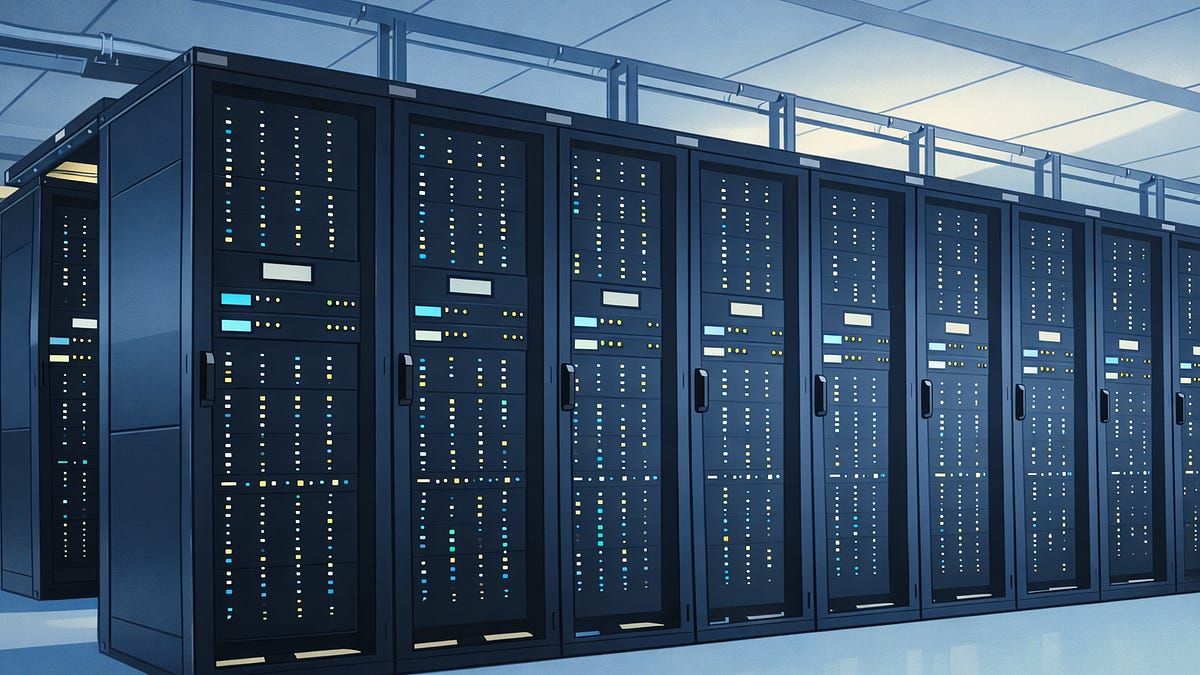
The concept of a space data center extends beyond typical cloud infrastructure. These envisioned facilities would be specialized behemoths, equipped with immense computational power, often featuring arrays of GPUs for parallel processing of geospatial data, AI/ML capabilities for pattern recognition, and robust storage systems for petabytes of imagery and sensor readings. Their primary role would be to transform raw telemetry and pixels into refined, ready-to-use information products for a diverse clientele: government agencies, research institutions, private companies, and international partners.
India’s space program, spearheaded by ISRO, generates a formidable volume of data from its IRS (Indian Remote Sensing) satellites, including Cartosat, Risat, and Oceansat series, among others. With increasing private sector participation and the proliferation of smaller, more frequent satellite launches, this data flow is set to multiply exponentially. A centralized, advanced processing capability could unlock new economic value, foster innovation in downstream applications, and potentially create a significant competitive advantage in the global space economy.
Infrastructure and the Cost Barrier
However, the journey from ambition to operational reality for such a grand vision is fraught with significant challenges, making the "far-fetched" label increasingly apt. The foremost hurdle is the sheer scale of investment required for hyperscale data centers. Building a state-of-the-art facility capable of handling exabytes of data, with the requisite redundant power, cooling, physical security, and connectivity, runs into billions of dollars. For specialized space data centers, this cost is further inflated by the need for unique hardware and software stacks optimized for geospatial processing.
Consider the energy footprint alone. Modern data centers consume colossal amounts of electricity, often in the hundreds of megawatts. India's energy infrastructure, while expanding, faces pressures from rapid industrialization and urbanization. Ensuring a stable, clean, and affordable power supply for multiple, massive space data centers across the country would be a monumental undertaking, potentially diverting resources from other critical energy needs. Furthermore, the land acquisition for such facilities in strategic, well-connected locations adds another layer of complexity and cost.
Data Ingestion, Bandwidth, and Latency
A space data center is only as effective as its ability to ingest data. This requires a robust network of ground stations, strategically located to maximize downlink opportunities from orbiting satellites. While ISRO operates an impressive network, scaling this to accommodate a global data hub, including data from international partners and private constellations, demands significant expansion and upgrades.
Crucially, the data must then travel from these ground stations to the processing centers. This necessitates an ultra-high-speed, low-latency fiber optic backbone across the country. India has invested heavily in digital infrastructure, but last-mile connectivity and the density of high-capacity fiber networks may still present bottlenecks for petabyte-scale transfers daily. For time-sensitive applications like disaster monitoring or dynamic resource management, even a few minutes of latency in data transmission and processing can negate the value of high-resolution imagery.
Talent Pool and Specialised Expertise
Even with world-class hardware, a space data center remains a hollow shell without the right human capital. The specialized nature of space data requires a unique blend of expertise: satellite engineers, remote sensing scientists, astrophysicists, AI/ML engineers proficient in geospatial algorithms, cybersecurity experts, and data center architects. These roles demand advanced degrees and practical experience in a rapidly evolving field.
While India produces a large number of STEM graduates, the specific niche of space data analytics and engineering is still developing. Attracting, training, and retaining top-tier talent in a global market, especially when competing with established tech giants and space agencies abroad, will be a significant challenge. Building a talent pipeline capable of sustaining multiple hyperscale operations will require substantial investment in specialized education and research programs.
Regulatory Landscape and Global Competition
India’s regulatory framework for space activities, while liberalizing, is still evolving. Data sovereignty, cross-border data flow, licensing, intellectual property rights for derived products, and data security protocols are critical considerations for international clients. For India to truly become a global hub, its policies must be transparent, predictable, and aligned with international best practices, fostering trust among potential partners and customers.
The competitive landscape is also formidable. Giants like Amazon (AWS Ground Station, AWS Space Accelerator), Microsoft (Azure Orbital), and Google Cloud are already offering comprehensive space-to-cloud solutions, leveraging their existing global data center networks and vast customer bases. These companies provide an end-to-end service, from ground station access to processing, storage, and advanced analytics tools, often on a pay-as-you-go model. Europe and China are also investing heavily in their own space data infrastructures and applications.
India would need a compelling unique selling proposition beyond mere processing capability. This could involve focusing on specific regional data needs, developing highly specialized AI models for Indian subcontinent phenomena, or offering ultra-competitive pricing. However, undercutting established players on price alone is a difficult, often unsustainable, strategy for a capital-intensive venture.
Sustainability and Business Model Viability
Ultimately, the long-term viability of India’s space data center dream hinges on a sustainable business model. Who are the primary paying customers? While government agencies and ISRO itself would be anchor tenants, the ambition of a global hub implies a substantial commercial and international client base. Are there enough private companies in India and abroad willing to pay for these services, or is the market still too nascent?
The return on investment (ROI) for such massive public or public-private investments needs careful scrutiny. Without a clear pathway to profitability or significant strategic advantages that justify continuous state subsidies, these centers could become expensive white elephants. The market for raw satellite data is becoming commoditized; the real value lies in the advanced analytics and actionable insights, which requires a robust ecosystem of application developers and end-users.
Pathways Forward, Albeit Challenging
Despite these considerable hurdles, the dream is not entirely unattainable, but it likely requires a more pragmatic and phased approach. Instead of aiming for immediate global dominance across all space data types, India could focus on niche areas where it has a distinct advantage, such as monsoon prediction, agricultural monitoring for specific crops, or disaster management within its region, leveraging its existing satellite assets.
Public-private partnerships (PPPs) could alleviate the financial burden and bring in private sector expertise in data center management and cloud technologies. Collaboration with international partners, sharing infrastructure, or specializing in certain data segments could also be viable strategies. The focus must shift from merely building hardware to cultivating a vibrant ecosystem of data scientists, application developers, and end-users who can derive tangible value from the data.
Key Takeaways
Exorbitant Capital & Operational Costs: Building and maintaining hyperscale, specialized space data centers requires multi-billion dollar investments and significant ongoing operational expenses for power, cooling, and maintenance.
Infrastructure Bottlenecks: India needs a vast expansion of ground stations and an ultra-high-speed, low-latency national fiber backbone to handle petabytes of data transfer from satellites to processing centers.
Talent Gap: A specialized pool of remote sensing scientists, AI/ML engineers, and data center architects is critical, and building this talent pipeline at scale presents a significant challenge.
Intense Global Competition: Established global tech giants and space agencies already offer comprehensive space-to-cloud solutions, making it difficult for India to carve out a dominant market position without a unique value proposition.
Evolving Regulatory & Business Models: Clearer, predictable data policies and a sustainable, profitable business model beyond government patronage are essential for attracting commercial clients and ensuring long-term viability.
Frequently asked questions
What are India's current space data centre aspirations?
India aims to establish a comprehensive national space data centre to centralize and process vast amounts of satellite imagery and geospatial information. This initiative seeks to enhance data accessibility and utilization across various sectors, including defense, agriculture, and disaster management, reducing reliance on foreign infrastructure.
Why is a national space data centre considered crucial for India?
A domestic space data centre is vital for India's strategic autonomy, data security, and economic growth. It ensures timely access to critical satellite data for national security, improves disaster preparedness by facilitating rapid analysis of environmental changes, and fosters innovation in geospatial applications.
What makes India's space data centre dreams potentially far-fetched?
The ambition faces significant hurdles, including the immense investment required for robust infrastructure, the challenge of integrating diverse data sources, ensuring data security, and developing the specialized workforce needed to manage and utilize such a complex system effectively.
How does satellite data currently assist disaster management in India?
Satellite data provides crucial real-time insights into weather patterns, cyclone progression, flood inundation zones, and seismic activity. This information enables disaster management units to issue timely warnings, plan evacuations, and coordinate relief efforts more effectively, minimizing loss of life and property.
What technical challenges are involved in building a large-scale space data infrastructure?
Technical challenges include developing high-capacity data storage and processing capabilities, ensuring seamless data integration from various satellites, establishing secure data transmission networks, and creating user-friendly platforms for data access and analysis across different government agencies.
Who stands to benefit most from a successful Indian space data centre?
A successful space data centre would primarily benefit government agencies involved in defense, disaster management, urban planning, and agriculture. Researchers, private industries, and citizens would also gain from enhanced access to accurate, timely geospatial intelligence for innovation and informed decision-making.