Honda introduces Mobile Power Pack e: battery swap tech to the US, poised to redefine sustainable energy and mobility solutions.
The global energy and mobility landscape is undergoing a profound transformation, driven by an imperative for sustainability and efficiency. Amidst this shift, a once-maligned concept, battery swapping, is experiencing a significant resurgence, redefined by technological advancements and strategic targeting. Honda, a global leader in automotive and power products, is bringing its Mobile Power Pack e: (MPP e:) battery swap technology to the United States, a move that signals not just a new product offering but a deeper strategic play within the evolving electric vehicle (EV) ecosystem and the broader energy transition.
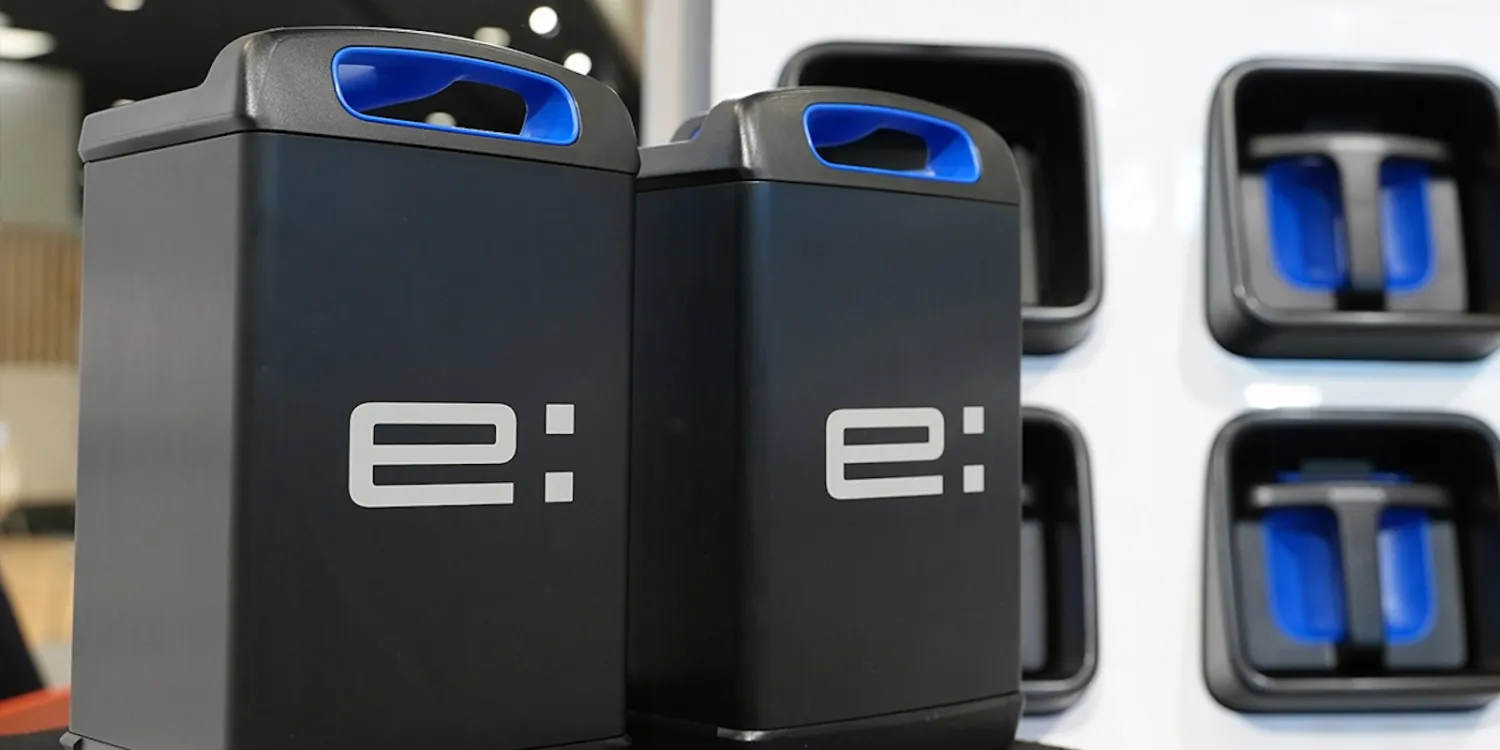
Honda’s decision to deploy MPP e: in the U.S. marks a critical expansion for a system that has already seen extensive piloting and deployment in Asian markets. The Mobile Power Pack e: is a standardized, portable, and swappable battery unit designed primarily for light electric vehicles such as electric motorcycles, scooters, three-wheelers, and even small construction equipment or portable power applications. Each pack typically weighs around 10 kilograms (22 pounds), housing a 48V, 1.3 kWh lithium-ion battery. This design emphasizes modularity, ease of handling, and rapid exchange, fundamentally altering the user experience for EV owners by eliminating lengthy charging downtimes.
The core proposition of MPP e: is simple yet impactful: instead of waiting hours for a vehicle to charge, users can pull into a dedicated station and swap a depleted battery for a fully charged one in mere minutes, often less than 60 seconds. This capability directly addresses one of the most persistent barriers to EV adoption: range anxiety and the inconvenience of charging infrastructure. While initially targeting commercial and fleet applications in the U.S., such as last-mile delivery services or municipal fleets, the underlying technology has the potential to reshape personal urban mobility. Honda is bringing Mobile Power Pack e: to a market ripe for innovative solutions to accelerate electrification beyond passenger cars.
The Resurgence of Battery Swapping: A Second Act
The concept of battery swapping is not new. It gained significant traction and then faded with the high-profile failure of Better Place, an Israeli-American company that attempted to build a network of battery swap stations for electric cars in the late 2000s and early 2010s. Better Place’s downfall was attributed to several factors: proprietary technology that locked users into specific vehicle models, high infrastructure costs, slow consumer adoption, and a lack of OEM cooperation. However, the current wave of battery swapping initiatives differs significantly, learning from past mistakes and focusing on specific market segments and standardization.
One of the most prominent success stories in modern battery swapping is Gogoro in Taiwan. Launched in 2015, Gogoro has built an extensive network of battery swap stations, primarily for electric scooters. Its success is rooted in a dense network of accessible stations (often found at gas stations, convenience stores, and parking lots), a standardized battery pack used across multiple scooter brands (including Yamaha, Aeonmotor, and PGO), and a subscription-based model that separates battery ownership from vehicle ownership. Gogoro now facilitates over 2.5 million battery swaps per week and has expanded into markets like India (through a partnership with Hero MotoCorp), Indonesia, and the Philippines, proving the viability of the model for light electric vehicles.
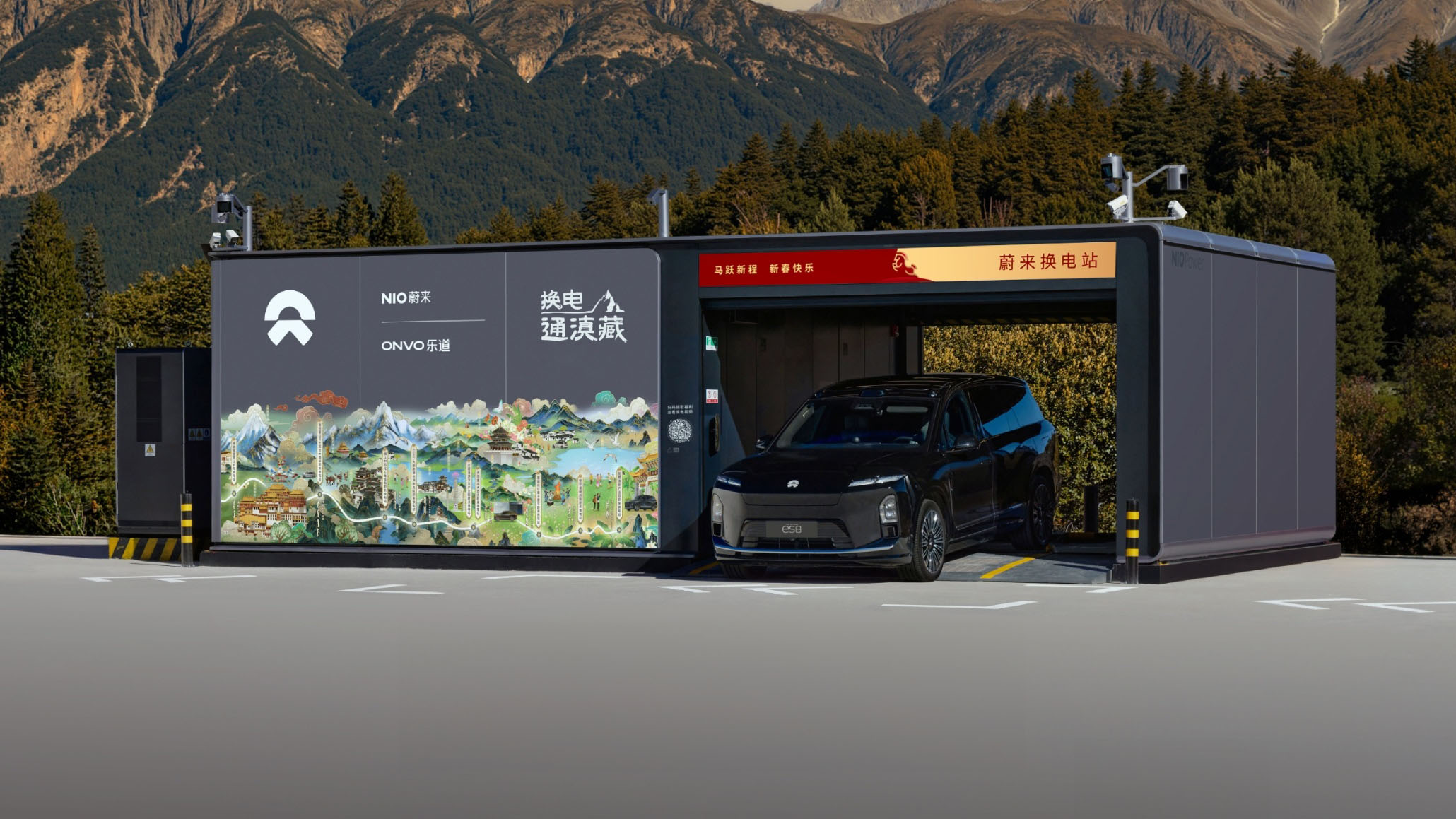
In the passenger car segment, Chinese EV manufacturer Nio has championed battery swapping, positioning it as a premium service. Nio’s Power Swap Stations allow its EV owners to swap batteries in under five minutes, offering convenience and the ability to upgrade to larger battery packs as technology improves. Nio has deployed over 2,600 swap stations in China and has begun expanding into Europe, with stations in Norway, Germany, and Sweden. Their Battery-as-a-Service (BaaS) model allows customers to purchase vehicles without the battery, significantly reducing the upfront cost and paying a monthly subscription for battery usage and swapping services. This approach resonates with consumers seeking flexibility and lower initial investment.
Honda’s entry into the U.S. market with MPP e: draws parallels with Gogoro’s focused approach rather than Better Place’s broad ambition. By targeting light electric vehicles and commercial applications, Honda leverages the smaller size and easier standardization of its battery packs. Furthermore, Honda is a founding member of the Swappable Batteries Motorcycle Consortium (SBMC), alongside Yamaha, Suzuki, and Kawasaki, which later welcomed KTM and Piaggio. This consortium aims to develop common technical specifications for swappable batteries, addressing the critical issue of proprietary standards that plagued earlier efforts and fostering a wider ecosystem of compatible vehicles and infrastructure. This collaborative spirit is essential for widespread adoption and scaling of the technology.
Key Takeaways: The Evolution of Battery Swapping
Targeted Applications: Current success is concentrated in light EVs (scooters, motorcycles, 3-wheelers) and premium passenger car segments, where convenience and specific use cases are paramount.
Standardization Efforts: Consortia like SBMC are crucial for ensuring interoperability across brands, lowering barriers to entry for manufacturers and consumers.
Service-Oriented Models: Subscription services (BaaS) decouple battery ownership from vehicle purchase, reducing upfront costs and offering flexibility.
Dense Networks: Successful implementation relies on a highly accessible and extensive network of swap stations, especially for urban mobility.
Decoupling Battery from Vehicle: A Financial and Operational Game-Changer
One of the profound implications of battery swapping, particularly when combined with subscription models, is the decoupling of the battery from the vehicle. Traditionally, the battery pack represents the most expensive component of an EV, significantly contributing to the vehicle's retail price. By allowing users to lease or subscribe to a battery, the upfront cost of the EV can be substantially reduced, making electric mobility more accessible to a broader demographic. This financial model is a central pillar of Nio’s strategy and could become a key differentiator for Honda’s MPP e: ecosystem in the U.S.
Beyond the initial cost, separating the battery from the vehicle offers several operational advantages:
Battery Upgrades: As battery technology improves, users can upgrade to newer, more energy-dense packs without purchasing an entirely new vehicle, extending the usable life of their existing EVs.
Improved Residual Value: EVs with swappable batteries may retain better residual value, as the most depreciating component (the battery) is not tied to the vehicle itself.
Fleet Management: For commercial fleets, swappable batteries simplify logistics, ensuring vehicles are always operational with minimal downtime. It also allows for optimized battery charging and maintenance at centralized facilities.
Second-Life Applications: Batteries removed from vehicles can be repurposed for stationary energy storage once their capacity for demanding vehicle use declines. This extends the economic life of the battery and supports a circular economy.
Honda is bringing Mobile Power Pack e: to the U.S. with an eye on these broader benefits. For businesses reliant on last-mile delivery, for instance, the ability to quickly swap batteries means continuous operation of their electric fleets, maximizing productivity and minimizing capital expenditure on charging infrastructure. This efficiency gain can be a significant competitive advantage in dense urban environments.
Beyond Mobility: Grid Integration and Energy Storage
The vision for swappable battery networks extends beyond just powering vehicles. A vast network of standardized battery packs, constantly being charged and discharged, represents a significant distributed energy storage asset. This aggregation of portable power packs can play a crucial role in grid stability and renewable energy integration, addressing issues that are increasingly relevant in modern energy systems.
Consider a scenario where a large number of MPP e: batteries are housed in charging stations. These stations can be equipped with smart charging capabilities, allowing them to draw power from the grid during off-peak hours when electricity prices are lower or when renewable energy generation (e.g., solar or wind) is abundant. Conversely, these stations could potentially feed power back into the grid during peak demand periods or when renewable output is low, offering a form of vehicle-to-grid (V2G) or grid-to-vehicle (G2V) service, even if the "vehicle" in this case is the stationary battery bank. This creates a flexible energy buffer, enhancing grid resilience and optimizing energy usage.
In regions with unreliable power grids or a high penetration of intermittent renewable energy sources, a network of swappable batteries can serve as local microgrids or backup power solutions. For instance, in disaster-prone areas, fully charged MPP e: units could be deployed to provide essential power for communication devices, medical equipment, or lighting, further enhancing their utility beyond simple vehicle propulsion. Honda's experience with power products and energy management positions it uniquely to explore these broader applications for its Mobile Power Pack e: technology.
Global EV Battery Market Projections
The global EV battery market is projected to reach over $150 billion by 2027, driven by increasing EV adoption across all segments. While passenger cars dominate, the market for light EV batteries, including those for two- and three-wheelers, is experiencing rapid growth, particularly in Asia, but also with emerging opportunities in Western markets. The potential for battery-as-a-service models and grid integration solutions could further expand revenue streams beyond direct sales of vehicles and batteries.
Challenges and Outlook in the U.S. Market
While the potential for Honda bringing Mobile Power Pack e: to the U.S. is significant, several challenges must be navigated for widespread success. The U.S. market has unique characteristics compared to the dense urban environments of Asia where battery swapping has thrived.
Infrastructure Investment: Establishing a sufficiently dense network of swap stations across diverse geographies, from urban centers to suburban areas, requires substantial capital investment and strategic partnerships.
Consumer Adoption: Educating consumers and businesses about the benefits of battery swapping and overcoming ingrained habits related to charging will be crucial. The initial focus on commercial fleets may mitigate this, as businesses prioritize operational efficiency.
Competition: While less direct for light EVs, Honda will still contend with traditional charging solutions and other emerging mobility services.
Standardization: While the SBMC is a strong step, ensuring broad compatibility beyond the consortium members and adapting to potential future battery technologies will be ongoing challenges.
However, the timing for Honda’s MPP e: introduction to the U.S. could be opportune. The Biden administration’s infrastructure initiatives are pushing for greater EV adoption and charging infrastructure development. Furthermore, the increasing demand for efficient and sustainable last-mile delivery solutions, spurred by e-commerce growth, creates a natural market for electric motorcycles and three-wheelers powered by swappable batteries. Major logistics companies are actively seeking ways to electrify their fleets, and MPP e: offers a compelling solution to their operational constraints.
Honda's long-standing reputation for reliability and innovation provides a strong foundation. The company’s comprehensive approach, encompassing not just the battery packs but also the vehicles designed to use them and the charging infrastructure, positions it as a key player in shaping the future of urban and commercial electric mobility. The successful deployment of MPP e: in the U.S. will not only contribute to Honda's electrification goals but also serve as a critical case study for how modular energy solutions can accelerate the global transition to a sustainable energy future.
The journey for Honda's Mobile Power Pack e: in the U.S. will be watched closely by industry observers and policymakers alike. Its success could herald a new era for light electric vehicles and distributed energy solutions, demonstrating that the future of mobility is not solely dependent on charging cables but also on intelligent, swappable power. By tackling range anxiety and high upfront costs through modularity and service-oriented models, Honda is bringing Mobile Power Pack capabilities to redefine expectations for electric vehicles in America and potentially globally.
Frequently asked questions
What is Honda's Mobile Power Pack e: battery swap technology?
Honda's Mobile Power Pack e: is an interchangeable, swappable battery system designed for various electric mobility products, including scooters and light EVs. It allows users to quickly exchange depleted batteries for fully charged ones at designated stations, eliminating charging wait times and enhancing efficiency.
Why is Honda bringing this tech to the US now?
The US market is ripe for sustainable energy solutions, and the resurgence of battery swapping, driven by technological advancements and efficiency needs, makes it an opportune time for Honda to introduce its proven system.
What are the benefits of battery swapping over traditional charging?
Battery swapping offers significant advantages such as immediate power replenishment, reduced downtime, and lower upfront costs for vehicles by separating battery ownership. It also enables more efficient energy management.
Which vehicles will use the Mobile Power Pack e: in the US?
While initially popular for two-wheelers and small mobility devices, Honda is likely to expand its application to various electric power products and potentially light electric vehicles in the US, aligning with diverse consumer needs.
How does this technology contribute to sustainability?
The Mobile Power Pack e: promotes sustainability by extending battery life through optimized charging, facilitating renewable energy integration, and reducing range anxiety, thus encouraging wider adoption of electric mobility.
Where will Honda's battery swap stations be located?
Details on specific locations are forthcoming, but typical deployment strategies involve urban centers, commercial hubs, and partnerships with existing infrastructure providers to ensure convenient access for users.