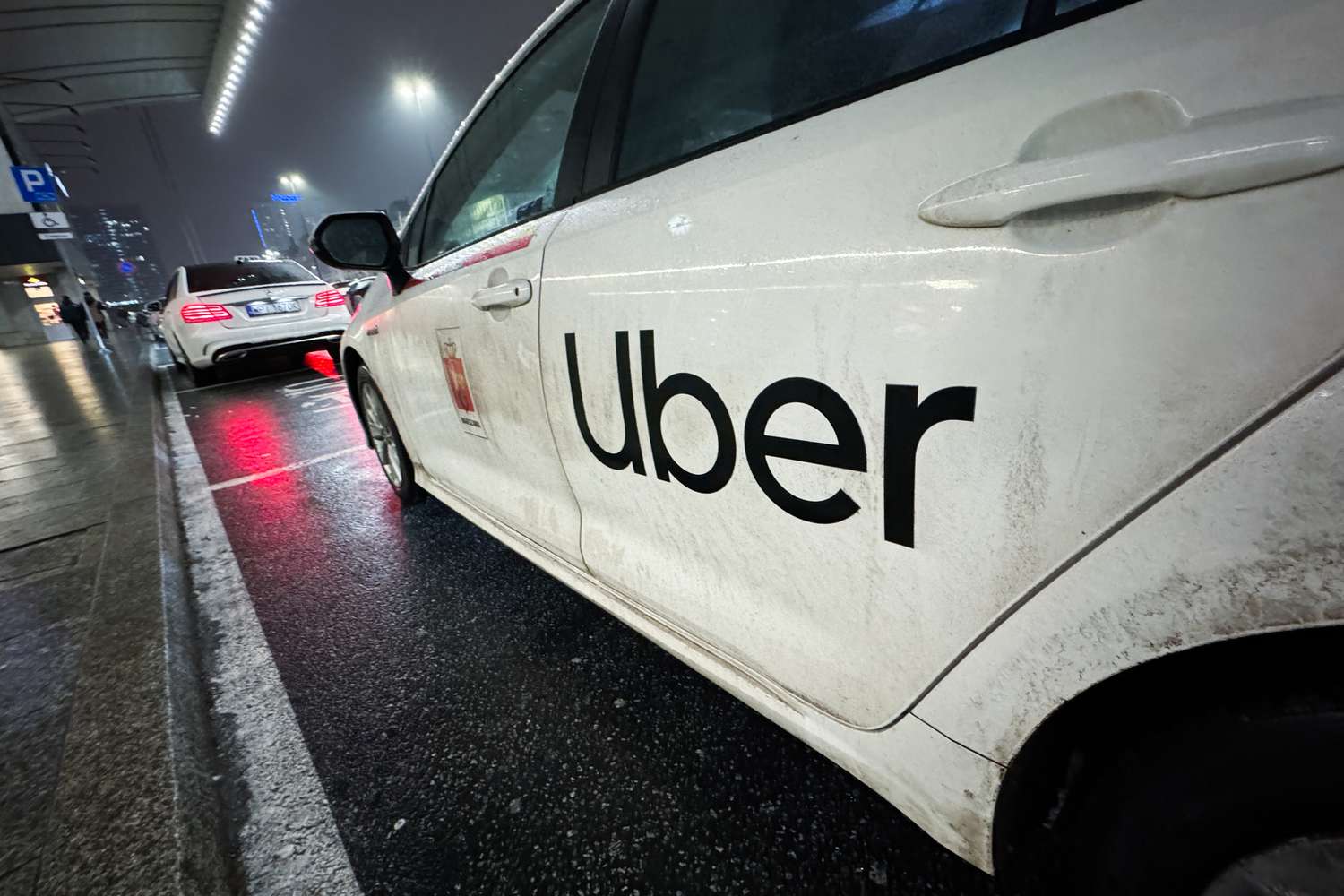
From ride-sharing to a multi-faceted giant, Uber expands its strategic vision, leveraging its origins for new engines of growth.
Despite facilitating over 26 million trips and deliveries daily across more than 70 countries, the core ride-hailing business that launched Uber into global consciousness is no longer the sole, or even primary, engine of its long-term growth and strategic vision. In a surprising pivot, Uber’s executive suite is increasingly viewing its ride-sharing origins not as an end in itself, but as a robust, data-rich platform upon which to build a sprawling logistics, advertising, and convenience empire. This shift, a quiet evolution over the past half-decade, has now gained an urgent impetus, driven by market maturation, investor demands for profitability, and the relentless pursuit of customer lifetime value.
For years, Uber was synonymous with the disruption of urban transport, its black cars and later ubiquitous sedans upending entrenched taxi industries worldwide. Yet, behind the scenes, the company’s ambitions were always grander. Executives and founders often spoke of Uber as an 'operating system for daily life,' a platform that could move anything from people to parcels, data, and even money. This vision, initially dismissed by many as Silicon Valley hubris, is now crystallizing, hastened by the stark realities of the ride-hailing market: fierce competition, persistent regulatory battles, and the inherent challenges of managing a vast, independent contractor workforce. The imperative to diversify and leverage its enormous user base and logistical capabilities has never been clearer.
The Evolution from Rides to a Comprehensive Ecosystem
The journey away from a singular focus on ride-hailing began in earnest with Uber Eats. What started as an experimental offshoot for food delivery has ballooned into a colossal business unit, often surpassing ride-hailing in certain geographic markets in terms of transaction volume and, increasingly, profitability. The pandemic, while decimating ride volumes, supercharged Uber Eats, forcing a rapid expansion of its delivery network to include groceries, convenience store items, prescriptions, and even flowers. This segment now serves as a crucial counter-cyclical hedge, demonstrating the resilience of Uber’s underlying logistical infrastructure.
Uber’s financial reports illustrate this dramatic rebalancing. While gross bookings for Rides remain substantial, often fluctuating around $14 billion to $18 billion per quarter globally, Delivery's gross bookings are consistently in a similar range, sometimes even exceeding Rides. In Q3 2023, for instance, Delivery gross bookings reached $16.1 billion, nearly on par with Mobility’s $17.9 billion. This near parity underscores the success of the diversification strategy and the critical role Delivery now plays in the company’s financial health.
Uber's Q3 2023 Key Metrics:
Gross Bookings:$35.3 billion (up 21% year-over-year)
Mobility Gross Bookings:$17.9 billion (up 30% year-over-year)
Delivery Gross Bookings:$16.1 billion (up 18% year-over-year)
Trips:2.5 billion (up 25% year-over-year)
Monthly Active Platform Consumers:142 million (up 15% year-over-year)
Beyond food and grocery delivery, the expansion into logistics also includes Uber Freight, a business-to-business platform connecting shippers with truckers. Launched in 2017, Freight leverages technology to optimize supply chains, reduce empty miles, and provide greater transparency in a notoriously fragmented industry. While still a smaller contributor to overall revenue compared to Rides and Delivery, Freight represents a significant strategic play, tapping into the multi-trillion-dollar global logistics market. It demonstrates Uber’s intent to apply its algorithmic matching capabilities to ever-larger and more complex logistical challenges, moving beyond the consumer last mile to the middle and even first mile of the supply chain.
The Stealthy Rise of Uber’s Advertising Business
Perhaps the most counterintuitive, yet rapidly growing, segment of Uber’s diversified portfolio is its advertising division. Few consumers initially associated Uber with advertising, but the company has quietly built a robust platform that leverages its vast troves of first-party user data and immense daily engagement. This isn't just about placing ads on the app; it's a sophisticated ecosystem that includes sponsored listings for restaurants and stores on Uber Eats, in-car digital screens for ride-share passengers, car-top advertising, and even targeted promotions based on user travel and purchase history. Advertisers are willing to pay a premium for direct access to Uber’s highly engaged user base, often at the point of decision for services, food, or retail.
The advertising business offers significantly higher margins than ride-hailing or delivery, which are often constrained by driver incentives and operational costs. For a company under constant pressure to demonstrate sustainable profitability, ad revenue is a powerful lever. Uber has publicly stated its ambition to grow its advertising business to $1 billion in annual revenue by 2024, a target it appears well on track to meet or exceed. This segment exemplifies how Uber is monetizing its platform beyond transactional fees, transforming user attention and data into a valuable asset for brands.
The Super App Vision and Network Effects
The overarching strategy behind this diversification is the pursuit of the "super app" ideal, a model popularized in Asian markets by companies like Grab in Southeast Asia and Gojek in Indonesia. The goal is to create a single application that serves multiple daily needs for a user, from transportation and food to groceries, payments, and even financial services. By offering a comprehensive suite of services, Uber aims to increase user engagement, reduce churn, and capture a larger share of consumer spending. Each additional service strengthens the network effect: more users attract more merchants/drivers, which in turn attracts more users, creating a virtuous cycle.
In markets like Latin America, for example, Uber has experimented with features like bill payment, credit offerings, and even event ticketing within its app. In the United States, partnerships with public transit agencies integrate ride-hailing with bus and train schedules, positioning Uber as a comprehensive mobility solution rather than just a private car service. This holistic approach is critical for survival in an increasingly competitive landscape where local players often enjoy strong brand loyalty and regulatory advantages.
Key Takeaways: Uber's Strategic Pivot
Diversification is Key: Uber is aggressively expanding beyond ride-hailing into food/grocery delivery, logistics (Freight), and high-margin advertising.
Profitability Imperative: The shift is driven by the need to achieve sustainable profitability, with new segments offering better margins and counter-cyclical resilience.
Super App Ambition: The long-term vision is to become a single platform for multiple daily needs, increasing user engagement and lifetime value.
Data Monetization: Uber is leveraging its vast user data and platform engagement to build a powerful advertising business.
Global Adaptability: The strategy includes region-specific adaptations and partnerships to compete effectively against local rivals.
Challenges and the Road Ahead
Despite significant progress, Uber’s path is not without substantial challenges. Regulatory scrutiny remains intense, particularly regarding the classification of its drivers and couriers as independent contractors versus employees, impacting operational costs and business models in various jurisdictions from California to the UK. Competition is also fierce; DoorDash and Grubhub continue to challenge Uber Eats in key delivery markets, while local ride-hailing apps like Lyft in North America, Bolt in Europe and Africa, and Didi in China present formidable rivalry. Achieving consistent profitability across all segments, especially in highly competitive delivery markets, is an ongoing battle.
Furthermore, the promise of autonomous vehicles, once touted as a game-changer for reducing driver costs, has proven more complex and distant than initially anticipated. While Uber divested its ATG self-driving unit to Aurora Innovation, it maintains a strategic partnership, signifying that autonomous technology remains a long-term aspiration rather than an immediate solution for its operational economics.
The global economic climate also plays a role. While the gig economy demonstrated resilience during economic downturns, consumer discretionary spending is sensitive to inflation and recessionary pressures. Uber's ability to maintain high user engagement and encourage spending across its varied services will be a crucial test of its ecosystem's strength.
In conclusion, the urgency felt within Uber’s C-suite is palpable. The company that redefined urban mobility is now racing to redefine itself, transforming from a ride-hailing pioneer into a diversified technology conglomerate. Its success hinges on its ability to seamlessly integrate its various services, leverage its global scale and data assets, and adapt to diverse local market dynamics. For investors and consumers alike, the journey from merely moving people to moving everything and advertising to everyone is well underway, and Uber is betting its future on the speed and breadth of this ambitious transformation.
Frequently asked questions
What is Uber's new strategic vision?
Uber's new strategic vision is to evolve beyond its core ride-hailing business into a diversified technology platform. It aims to leverage its existing infrastructure and global presence to explore new areas of growth, seeing its ride-sharing origins as a foundation rather than an end-goal.
Is ride-hailing still important for Uber?
While still significant, ride-hailing is no longer Uber's sole or primary engine for long-term growth; it's a foundation for broader ambitions.
How many countries does Uber operate in?
Uber operates in over 70 countries globally, facilitating millions of daily trips and deliveries.
What other services does Uber offer?
Beyond ride-hailing, Uber offers services like food delivery (Uber Eats) and is exploring logistics and new mobility solutions.
Why is Uber pivoting its strategy now?
Uber is pivoting to secure long-term growth, diversify revenue streams, and adapt to evolving market demands and competitive landscapes.
What does 'Uber has always wanted to be' imply?
It implies Uber's foundational ambition was always broader than just rides, aiming for a comprehensive global mobility and logistics platform.